
Call or Text : +1 (440) 613-9487 Or Place your order directly on our website an agent will contact you immediately concerning your order. All bulk orders payment terms we accept bank wire transfer or bank deposite.
$1,650.00
Shop wholesale shoe pallets at competitive wholesale prices. Explore bulk footwear pallets with assorted styles and sizes for retailers, resellers, and businesses across the USA.
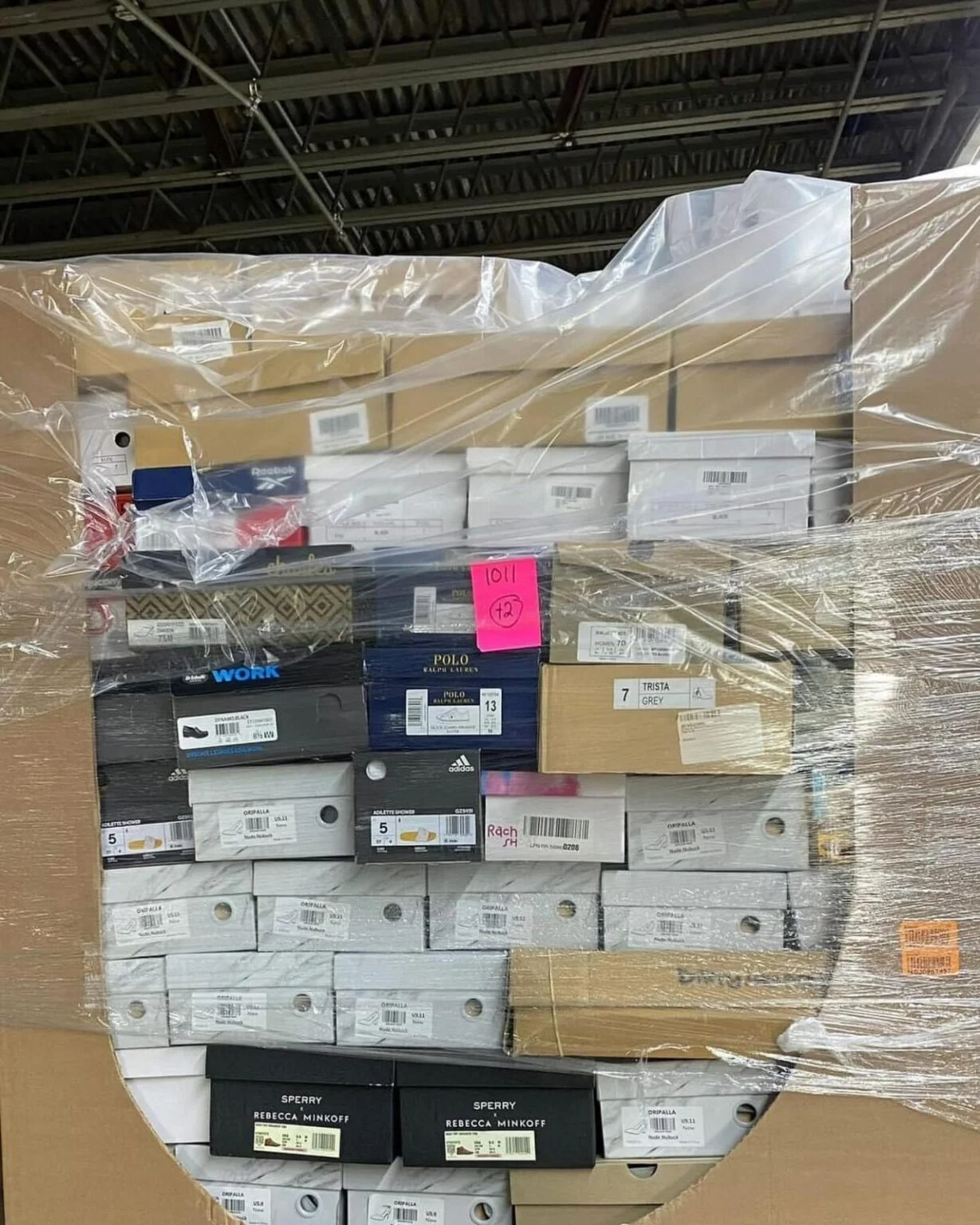
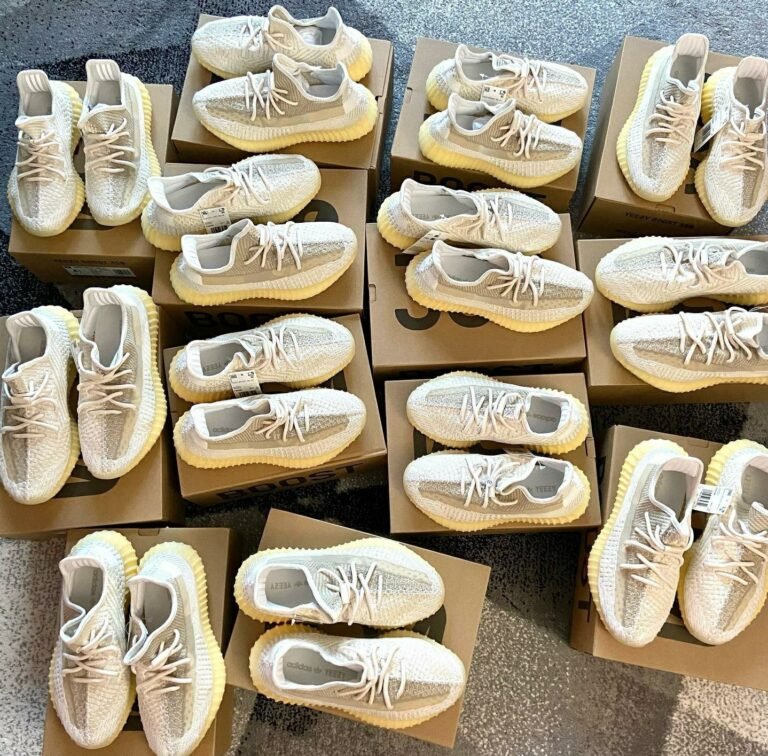
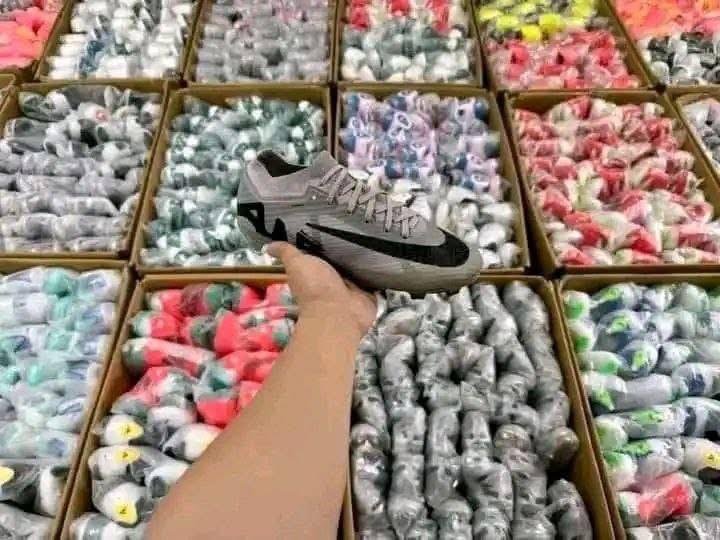
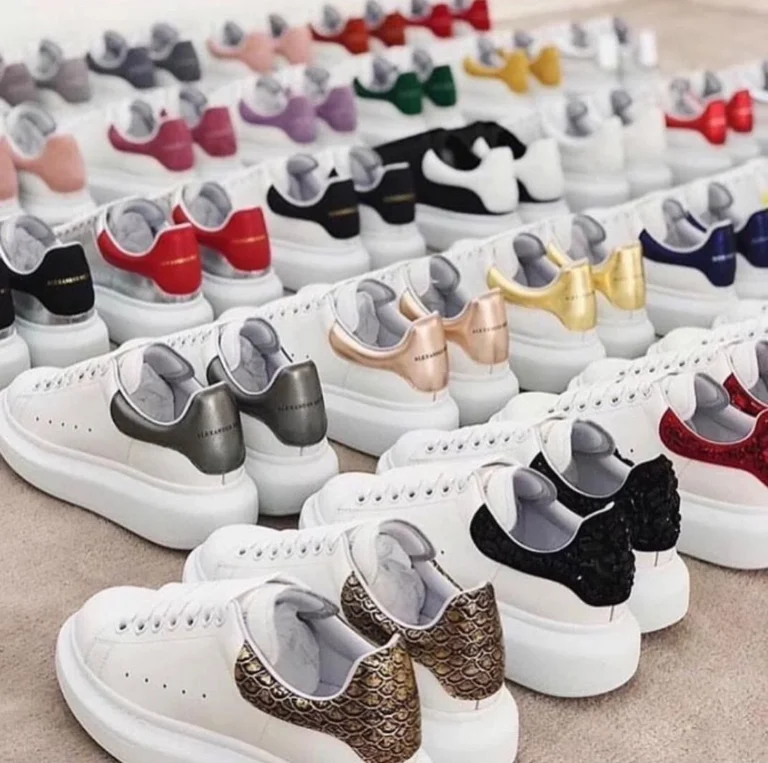
Pallets of shoes for sale – each pallet includes around 300 pieces with a retail value of $3,000. These premium mixed footwear pallets stand 4 feet tall and are perfect for profitable resale.Our pallets of shoes feature top brand sneakers, sandals, boots, and tekkies. Every lot is carefully sourced and inspected to ensure quality, giving resellers access to high-demand footwear at affordable prices.
Wholesale shoe pallets offer retailers, online sellers, discount stores, and independent resellers an opportunity to purchase footwear in bulk for resale. These pallets may contain sneakers, casual shoes, dress shoes, athletic footwear, and assorted styles from different brands, depending on the supplier and inventory source. For businesses looking to expand their product selection, Bulk footwear pallets can provide a practical way to source multiple pairs through a single wholesale purchase.
The demand for affordable footwear creates opportunities for businesses that understand their customers and choose inventory carefully. From everyday shoes to mixed-brand footwear and liquidation merchandise, wholesale shoe pallets can support a variety of retail models. However, profitability depends on more than the initial purchase price. Buyers must consider product condition, size distribution, brand authenticity, shipping expenses, storage, and realistic resale demand.
This guide explains how wholesale shoe pallets work, what products buyers may find, how to evaluate suppliers, and which factors to consider before purchasing footwear in bulk.
Wholesale shoe pallets are bulk shipments of footwear assembled for business buyers. Depending on the supplier, a pallet may contain a single type of shoe, a selection of different styles, mixed brands, or liquidation inventory from retail and distribution channels.
Some pallets contain new overstock merchandise, while others may include discontinued styles, customer returns, shelf-pulled products, or uninspected stock. Buyers should confirm the condition and contents of each pallet before placing an order.
Purchasing footwear by the pallet can help businesses build inventory without sourcing every pair individually. It can also provide access to a wider assortment of styles and sizes, depending on the available lot.
Wholesale shoe pallets can suit businesses that want to expand their product range or purchase inventory at bulk quantities. Common advantages include:
These advantages depend on the actual products included in the shipment. A pallet with unsuitable sizes, poor condition, or limited customer demand may not provide good resale value.
Understanding the available footwear categories helps buyers select inventory that matches their customers, budget, and sales strategy.
Wholesale shoes for retailers can include everyday footwear, fashion shoes, sneakers, work-related styles, and seasonal designs. Retailers may choose pallets based on their target audience, store positioning, and preferred price range.
A general footwear retailer might benefit from a diverse selection, while a specialist sneaker store may prefer a more focused assortment. Before ordering, confirm the available sizes, styles, quantities, and product condition.
Assorted footwear pallets contain a mixture of footwear styles or categories. Depending on the lot, the selection may include casual shoes, athletic sneakers, flats, sandals, and other designs.
Assorted inventory can help businesses serve different customer preferences without purchasing a separate pallet for every category. However, buyers should ask for a manifest when available to understand the expected product mix and avoid relying entirely on generic stock photos.
Wholesale sneakers in bulk can appeal to retailers and resellers targeting customers who prefer athletic-inspired or everyday casual footwear. Sneakers are available in many designs, materials, sizes, and price points, creating opportunities for different types of stores.
Buyers should confirm whether the shoes are branded or unbranded, whether they are new or returned, and whether any advertised brand claims can be verified. When branded sneakers are included, authenticity and documentation are especially important.
Mixed-brand shoe pallets may contain footwear from several manufacturers, offering variety within one shipment. This can help general merchandise retailers and resellers test different product categories without committing to a single brand.
The actual brand distribution can vary significantly. Ask the supplier whether brand names and quantities are documented, and avoid assuming that a mixed-brand pallet will contain premium or high-demand products unless the inventory information supports that expectation.
Wholesale casual shoes include everyday footwear intended for regular activities, work, leisure, or informal occasions. Depending on the supplier, pallets may feature slip-on shoes, flats, loafers, casual sneakers, and other styles.
Casual footwear can suit clothing stores, shoe shops, online retailers, and discount businesses. Consider seasonal demand, available sizes, material quality, and the preferences of your target customers before selecting a lot.
Shoe liquidation stock refers to footwear sold through liquidation or surplus inventory channels. The merchandise may come from overstock, discontinued product lines, retail returns, excess distribution inventory, or business closures.
Liquidation can provide opportunities to purchase footwear in bulk, but it does not guarantee that every pair is new, undamaged, or easy to resell.
Footwear liquidation inventory can vary in condition, quantity, brand mix, and size distribution. Some lots may contain retail-ready merchandise, while others require inspection, cleaning, repackaging, or additional sorting.
Before purchasing, ask the supplier for:
These details make it easier to assess whether a pallet suits your business. If the shipment contains returned or uninspected footwear, account for the possibility of damaged pairs, missing accessories, or products that cannot be sold at the expected price.
Discount shoe pallets may include surplus, discontinued, or liquidation footwear offered at bulk prices. They can appeal to sellers targeting budget-conscious customers and shoppers looking for affordable shoes.
However, the lowest advertised price is not necessarily the best value. Buyers should calculate the total cost of the shipment, estimate the number of sellable pairs, and compare potential retail prices with competing products.
A pallet with clear inventory details and suitable sizes may be more valuable than a cheaper, unmanifested lot with unpredictable contents.
A reliable Wholesale footwear supplier should provide transparent product information, clear pricing, realistic shipping estimates, and written purchasing terms.
Before placing an order, research the supplier’s business identity and check available customer feedback. Ask questions about inventory condition, product origin, brand authenticity, and whether the merchandise can be inspected before purchase.
Quality is essential when purchasing footwear for resale. Inspect available photographs and descriptions for visible damage, missing components, worn soles, stains, or packaging issues.
If branded products are advertised, request reasonable documentation supporting authenticity. Do not rely exclusively on labels or promotional photographs when the supplier cannot verify the products.
A pallet may contain many pairs but still be difficult to sell if the sizes do not match customer demand. Ask whether the supplier provides a size breakdown or whether the inventory is sold as an assorted lot with limited size information.
Consider your typical customers and the sales data from your existing business. A suitable size range can improve inventory turnover and reduce the amount of stock that remains unsold.
Calculate the total landed cost, including the pallet purchase price, shipping, applicable taxes or import charges, handling, storage, and expected losses from damaged or unsellable pairs.
For example, if a pallet costs £800 including delivery and contains 200 sellable pairs, the average landed cost is £4 per pair. This is an illustrative calculation, not a current market quote or a guarantee of profit.
Your actual profit will depend on the selling price and additional expenses, such as marketplace fees, packaging, advertising, returns, and labour.
Businesses researching Where to buy pallets of shoes for sale wholesale can compare liquidation companies, footwear wholesalers, surplus inventory suppliers, and business-to-business marketplaces.
Each sourcing option has different advantages. Traditional wholesalers may offer more consistent product specifications, while liquidation suppliers may provide changing assortments of surplus or returned merchandise.
When comparing suppliers, consider the following:
Avoid suppliers who refuse to explain the condition of their products, use misleading brand claims, or pressure you to pay immediately without providing basic order details.
Wholesale shoe pallets for retailers and resellers can support businesses operating through physical stores, ecommerce websites, online marketplaces, and local resale channels.
Retailers can organise their footwear by brand, size, style, or price category. Online sellers can create individual product listings for distinctive pairs and grouped listings for identical products where marketplace rules permit.
Good product photography and accurate descriptions are important for footwear sales. Include clear images of the soles, uppers, labels, and any visible defects. Describe the size accurately and disclose condition issues rather than presenting returned or damaged products as new.
Bulk shoes for online resellers can provide inventory for ecommerce stores and marketplace listings. Online sellers should evaluate demand before buying large quantities and identify which product categories are most suitable for their audience.
Consider the costs associated with photographing, measuring, listing, storing, packing, and shipping each pair. Footwear boxes can take up significant space, and shipping costs may affect competitiveness.
For mixed pallets, sorting inventory into clear categories before listing can make stock management easier. Track quantities and selling prices so you can identify which products perform well and which items require price adjustments.
Shoes by the pallet for resale can be useful for businesses seeking to purchase larger quantities in one transaction. The right pallet should provide a balance between purchase cost, product condition, size distribution, and likely demand.
Rather than assuming every pair will sell, estimate revenue using conservative selling prices and a realistic percentage of sellable inventory. Include allowances for slow-moving products and returns.
This approach helps buyers avoid overestimating profitability and supports better purchasing decisions.
Shoe pallets for discount stores can provide a source of affordable footwear for businesses serving customers who prioritise value. Discount retailers may focus on everyday shoes, selected sneakers, seasonal products, and assorted footwear offered at accessible price points.
Wholesale footwear for small businesses can also be suitable for independent retailers and new resellers, provided the order size matches their budget and storage capacity. A full pallet may offer a lower average unit cost, but it can also tie up working capital and increase inventory risk.
Affordable wholesale footwear pallets for small businesses should be evaluated according to total cost and resale potential. Businesses should reserve enough money for operating expenses rather than spending their entire budget on inventory.
If a full pallet is too large, ask whether the supplier offers smaller lots or mixed cases. Purchasing a smaller quantity can be a practical way to test demand before committing to larger orders.
Bulk footwear liquidation for discount stores may be appropriate for retailers that can manage changing inventory and varied product conditions. Liquidation lots can provide a range of styles, but the availability of specific sizes, brands, and designs may be inconsistent.
Review each shipment individually and make sure the expected assortment aligns with your store’s pricing strategy. Do not assume that a previous pallet’s quality or contents will be repeated in a future order.
Wholesale branded shoes can attract customers who recognise particular brands, but buyers should verify authenticity, condition, and any resale restrictions before purchasing.
Brand popularity alone does not guarantee profitability. Demand can differ by model, size, colour, season, and local market. Research comparable listings and realistic selling prices before committing to a branded footwear pallet.
Wholesale shoes by the pallet at competitive prices should provide value after all costs are considered. Compare suppliers on product quality, quantity, documentation, shipping, and overall reliability rather than selecting a lot solely because it has the lowest price.
Mixed shoe pallets for sale in bulk can suit sellers who want several footwear categories in one order. The assortment may include different styles, brands, colours, and sizes, depending on the source.
Before buying, determine whether the supplier provides a manifest, whether the footwear is sorted, and whether the advertised quantity represents confirmed pairs. Ask for actual inventory photographs if possible.
Buy assorted shoes by the pallet when the expected inventory matches your customers and your ability to process the products. Mixed lots can create variety, but they may also require extra time for sorting, quality checks, photography, and pricing.
A clear inventory plan helps prevent products from remaining in storage without being listed or promoted. Organise the footwear as soon as it arrives and record any differences between the delivered merchandise and the supplier’s description.
Wholesale shoe pallets for online stores can help ecommerce businesses broaden their catalogue without purchasing every pair individually. Sellers should identify products with clear resale potential and create accurate listings that answer common customer questions.
Include measurements or sizing information where appropriate, disclose defects, and use photographs that represent the actual products. Check the policies of your chosen marketplace regarding branded goods, product condition, and duplicate listings.
Yes, they can be suitable for beginners who understand the risks of bulk inventory purchases. Start with a manageable order, verify the supplier, check product condition, and calculate total costs before committing to a large shipment.
Some wholesalers and liquidation suppliers offer branded footwear. Buyers should verify authenticity and review any applicable resale restrictions before purchasing.
No. They may contain overstock, discontinued merchandise, customer returns, or uninspected inventory. Confirm the condition of each lot before ordering.
Estimate the number of sellable pairs, calculate the total landed cost per pair, and compare realistic selling prices with all operating expenses. Include shipping to customers, marketplace fees, packaging, returns, and potential losses from unsold or damaged stock.
Many suppliers serve small businesses, although minimum order quantities and purchasing terms vary. Ask about smaller lots if a full pallet exceeds your budget or storage capacity.
Wholesale shoe pallets offer retailers, discount stores, online sellers, and independent resellers a way to source footwear in bulk. From sneakers and casual shoes to assorted footwear and liquidation inventory, the available options can support different business models and customer needs.
The best purchasing decisions begin with careful research. Verify supplier reliability, confirm the product mix and condition, review size distribution, and calculate the complete cost per sellable pair. Make sure your budget accounts for shipping, storage, packaging, and other operating expenses.
Whether you are looking for assorted footwear, branded shoes, or liquidation stock, prioritise inventory that fits your market and resale strategy. With transparent sourcing, realistic cost calculations, and organised inventory management, wholesale shoe pallets can become a valuable component of a sustainable footwear resale business.
WhatsApp us
Get 10% off orders of $200 or more when you choose Zelle, Cash App, or Chime during checkout.
How it works: Your discount is automatically applied after you choose an eligible payment method at checkout.
Minimum product subtotal: $200. Credit-card orders remain at standard listed price. One promotion per order.
Reviews
There are no reviews yet.