
Call or Text : +1 (440) 613-9487 Or Place your order directly on our website an agent will contact you immediately concerning your order. All bulk orders payment terms we accept bank wire transfer or bank deposite.
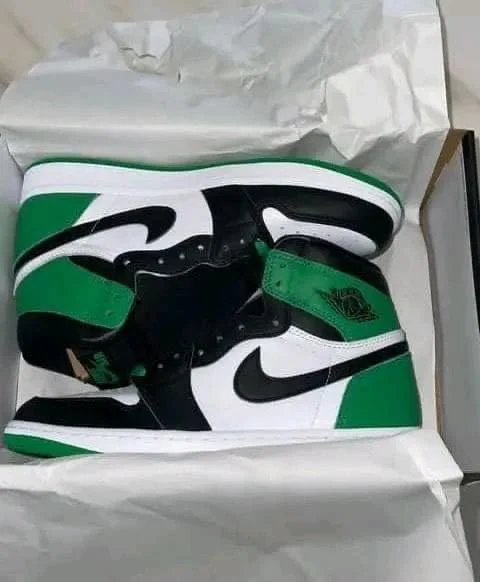
$700.00
Shop mixed shoe pallets for sale at competitive wholesale prices. Explore assorted footwear for men, women, and children, ideal for retailers, resellers, and bulk buyers across the USA.
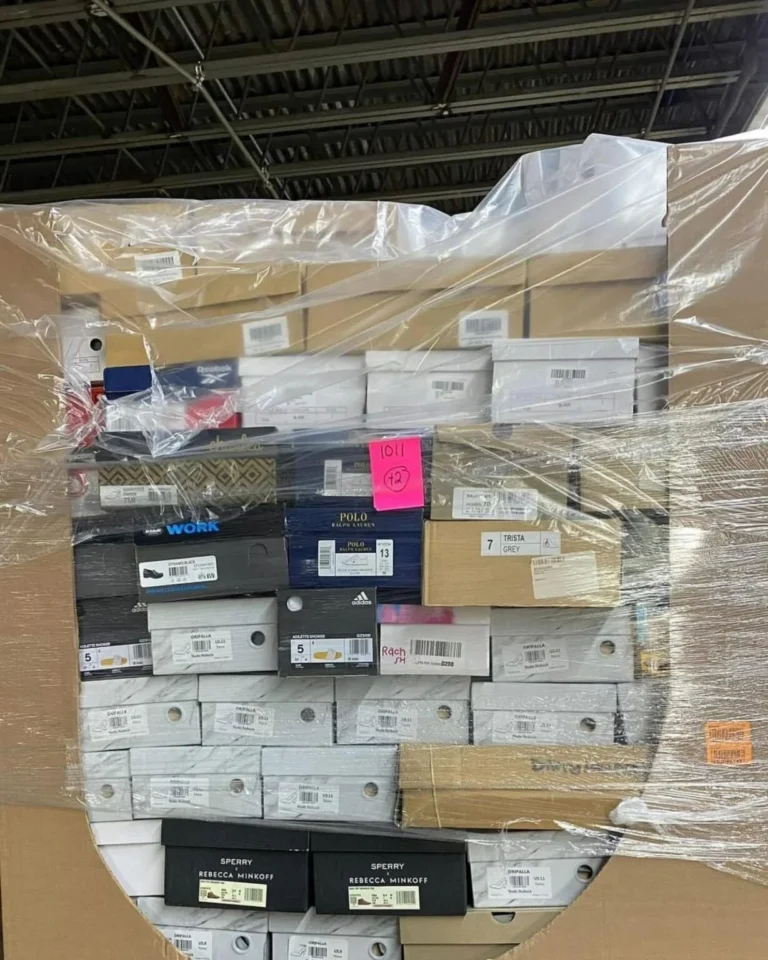
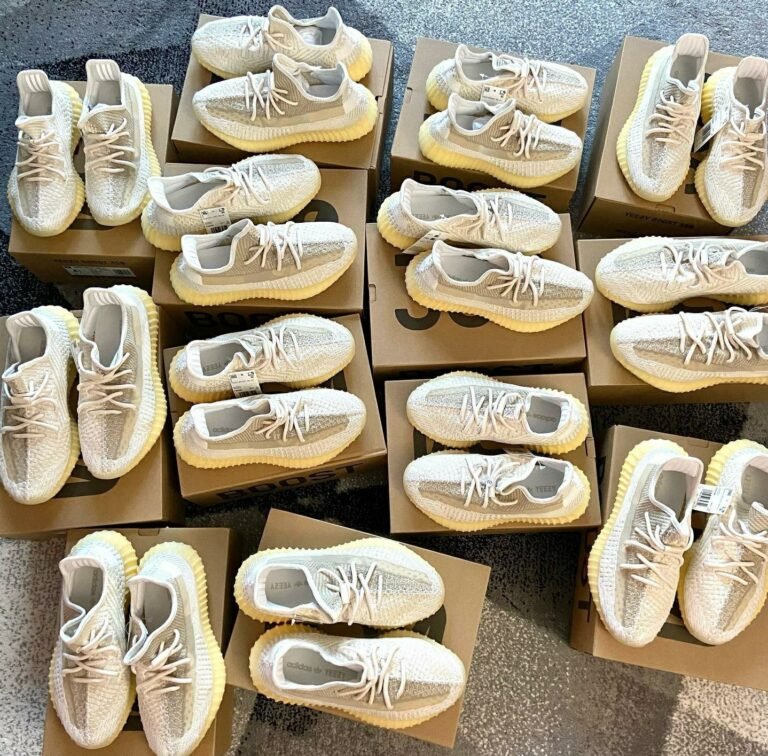
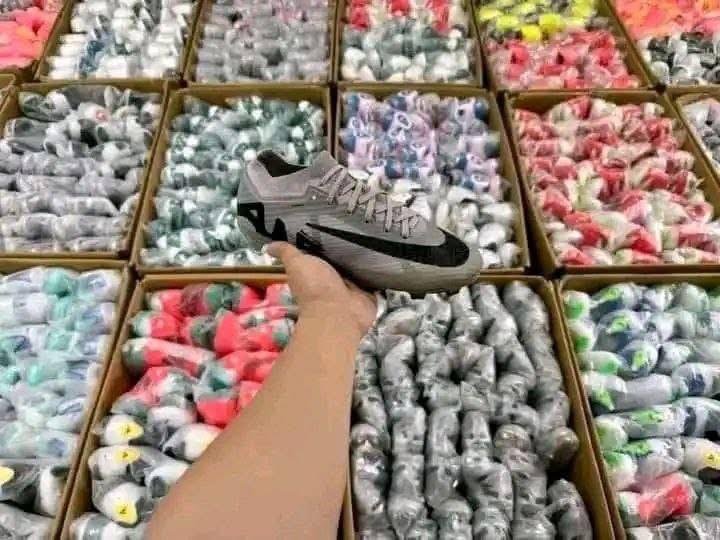
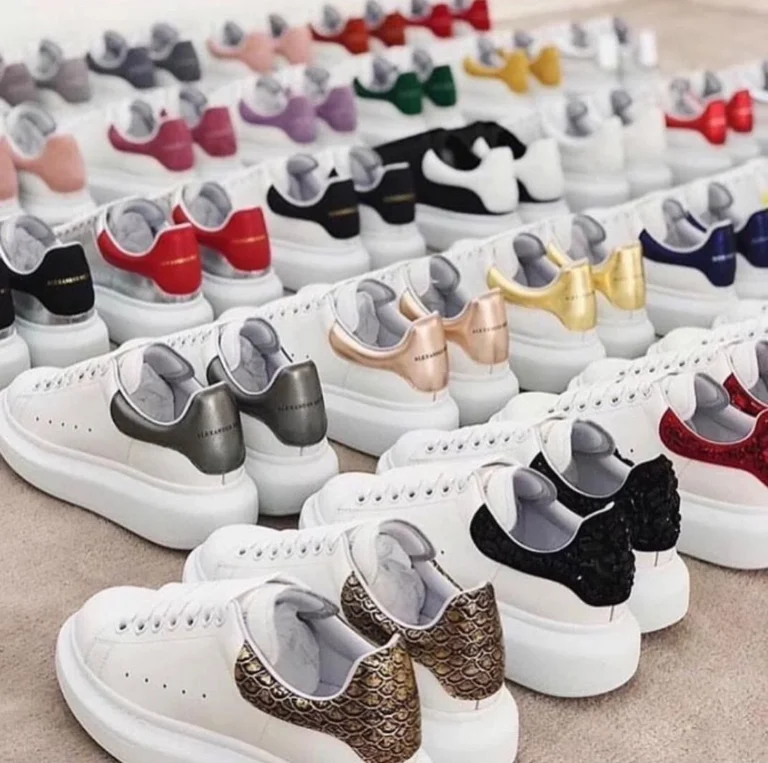
Mixed shoes wholesale pallets are priced at $700 each, containing 280 pairs of branded footwear with a retail value of $5,000. Every pallet includes a diverse mix of sneakers, sandals, boots, and tekkies from top brands like Adidas, Nike, Puma, Reebok, Sketchers, Vans, Asics, and New Balance—making them perfect for resellers and bulk buyers.
Mixed shoe pallets for sale provide retailers, discount stores, online sellers, footwear wholesalers, and independent resellers with an opportunity to purchase assorted footwear in bulk. Buying shoes by the pallet can help businesses expand their inventory, offer customers more variety, and explore additional sales opportunities without sourcing every pair individually.
Assorted footwear can appeal to different customer groups, including men, women, and children, depending on the products included in the shipment. However, the contents of a mixed shoe pallet vary by supplier. Some pallets may contain different styles, sizes, brands, and categories, while others may focus on a particular type of footwear or consist of liquidation merchandise.
For businesses considering wholesale footwear, understanding the inventory, checking product condition, and calculating the total cost are essential steps. A low pallet price does not automatically mean a profitable purchase. Buyers must consider the number of saleable pairs, the condition of the footwear, shipping costs, storage requirements, and realistic resale prices.
This guide explains how mixed shoe pallets work, what to look for when choosing a supplier, how to compare wholesale pricing, and how retailers and resellers can build a practical footwear inventory strategy.
Mixed shoe pallets for sale are bulk shipments containing assorted footwear assembled for commercial buyers. Depending on the supplier, the inventory may include different shoe styles, sizes, colours, brands, or footwear categories.
Some suppliers offer new overstock merchandise, while others sell clearance inventory, shelf pulls, customer returns, or mixed-condition liquidation stock. The exact contents and condition should always be confirmed before purchase.
A mixed pallet can be useful for businesses that want to sell a variety of footwear rather than concentrate on a single style. However, the value of the shipment depends on the actual products included and whether they suit the buyer’s customers.
Retailers and resellers purchase footwear in bulk for several reasons:
The advantages depend on the assortment, condition, and total landed cost. Buyers should evaluate the actual inventory instead of assuming every mixed pallet contains desirable or high-value footwear.
Assorted footwear wholesale refers to purchasing multiple footwear products in a commercial quantity, often with variation in styles, sizes, colours, or product categories.
The assortment may be suitable for businesses that serve a broad customer base. However, buyers should check the supplier’s description to determine whether the pallet includes adult footwear, children’s shoes, casual styles, formal footwear, sports-inspired shoes, or other categories.
Depending on the supplier, assorted footwear may include:
These are examples of possible categories, not a guarantee that any specific pallet contains these products.
Before ordering, request a manifest or detailed inventory description. Confirm the number of pairs, size distribution, product condition, and whether the footwear is new, returned, open-box, or mixed-condition.
A retailer specialising in women’s footwear may not benefit from a pallet dominated by men’s or children’s shoes. Likewise, an online reseller may need different products from a discount store selling a broad range of footwear.
Identify your target customers and compare the assortment against your existing product range. This helps you avoid purchasing stock that is difficult to sell through your usual channels.
Bulk footwear pallets can help businesses source a larger quantity of shoes through one commercial order. Depending on the supplier, buyers may receive assorted footwear in cartons or palletised shipments.
The bulk format can simplify purchasing, but it also requires sufficient storage space, working capital, and a plan for sorting and selling the merchandise.
A broader selection: Mixed pallets can introduce additional styles and product categories.
Centralised purchasing: One order may provide multiple pairs, reducing the need for separate purchases from different sellers.
Potential purchasing efficiencies: Buying larger quantities may offer different unit pricing, depending on the supplier and merchandise.
Flexible resale options: Buyers may sell individual pairs, create appropriate product bundles, or distribute stock across different sales channels.
Inventory diversification: Retailers can test new footwear categories when the assortment and purchasing cost are suitable.
Bulk purchasing is not automatically less expensive on a per-saleable-pair basis. Some pallets may contain damaged boxes, unmatched pairs, unsaleable sizes, or products requiring additional inspection.
Calculate the cost per saleable pair and include the expenses associated with receiving, sorting, photographing, storing, and selling the merchandise.
Mixed shoe liquidation stock may include overstock, clearance footwear, shelf pulls, customer returns, or mixed-condition inventory from businesses reducing their stock.
Liquidation merchandise can create purchasing opportunities, but the term does not guarantee a specific discount, condition, brand assortment, or resale value.
Overstock footwear: Products held in quantities greater than the seller currently requires. These may be new, but their condition should still be verified.
Clearance merchandise: Shoes being sold to reduce stock or discontinue a product range.
Shelf pulls: Footwear removed from retail displays or inventory. Some items may be in excellent condition, while others may show handling marks.
Customer returns: Returned products whose condition may range from unused to worn, damaged, or incomplete.
Mixed liquidation lots: Assorted footwear sold together, often requiring additional sorting and inspection.
Request a manifest whenever possible. Check whether it identifies the brands, styles, sizes, quantities, and condition of the footwear.
Ask whether pairs are complete and matched, whether original boxes are included, and whether visible wear or packaging damage is expected. If the supplier cannot provide a full manifest, request the best available description and photographs of the actual merchandise.
Calculate the cost per saleable pair instead of dividing the purchase price by the total advertised quantity without accounting for damaged or unsuitable items.
Wholesale footwear pallets for retailers can provide an opportunity to expand a store’s selection and maintain inventory across multiple footwear categories.
The most appropriate pallet depends on the retailer’s customers, preferred price points, storage capacity, and expected stock turnover.
Before purchasing, review your existing inventory and sales history. Identify which shoe categories sell consistently and which sizes customers request most frequently.
A mixed pallet can introduce variety, but too much variation may make stock management more complicated. Retailers should consider whether they can display and organise the different products effectively.
Ask suppliers about the expected size distribution and whether the pallet contains a balanced assortment. If the inventory is unmanifested, account for the additional uncertainty when deciding how much to pay.
When the shipment arrives, inspect the footwear and compare the actual contents with the supplier’s description.
Separate new, sale-ready pairs from products that require additional inspection. Check for missing shoes, mismatched pairs, visible wear, damaged soles, and packaging issues.
Record the product details and condition before setting prices. Accurate product descriptions help maintain customer confidence and reduce avoidable disputes.
Discount shoes in bulk can appeal to businesses that serve price-conscious customers or operate discount footwear stores.
However, a low purchase price does not automatically mean the merchandise represents good value. The product mix, condition, and number of saleable pairs must be considered alongside the cost.
Several factors influence the price of a shoe pallet:
Compare offers using the same criteria. A cheaper pallet containing many unsaleable pairs may provide less value than a more expensive shipment with clearly documented, sale-ready inventory.
Mixed shoes for resellers can provide access to multiple footwear categories through one purchase. Resellers may sell the shoes through independent websites, local shops, online marketplaces, or other suitable retail channels.
The key is to choose inventory that matches your customers and calculate the actual cost of preparing each pair for sale.
Online resellers should provide clear product titles, accurate size information, condition descriptions, and photographs that represent the actual shoes.
If the original packaging is missing or damaged, disclose this information when relevant. Avoid describing returned or worn footwear as new.
Verify product identifiers and brand information where possible. Follow the policies of the selling platform and applicable rules regarding authenticity, intellectual property, and product descriptions.
Create a record for each pair or product type. Track the size, brand, style, condition, purchase cost, listing price, and sale status.
Separate footwear by category and size to simplify order fulfilment. This also makes it easier to identify which products sell quickly and which remain in stock.
Review performance regularly and use the results to guide future purchasing decisions.
Wholesale shoes by the pallet can help businesses acquire inventory in larger quantities, but buyers should understand the complete cost of the order before purchasing.
The pallet price is only one part of the calculation. Shipping, handling, storage, sorting, and selling expenses can significantly affect profitability.
Use the following formula:
Total landed cost = Purchase price + Shipping + Handling + Other applicable fees
Then calculate:
Cost per saleable pair = Total landed cost ÷ Number of saleable pairs
For example, suppose a pallet costs $800, shipping and handling total $150, and the shipment contains 100 saleable pairs.
The total landed cost is $950.
The average cost per saleable pair is $9.50.
These figures are illustrative only and do not represent a current supplier quotation. If only 80 pairs are saleable, the effective cost increases to $11.88 per pair when rounded to the nearest cent.
This calculation shows why buyers should evaluate the condition and usable quantity instead of relying solely on the advertised pallet price.
After calculating the cost per pair, include selling expenses such as marketplace commissions, payment processing, packaging, delivery subsidies, storage, and labour.
Gross margin (%) = (Selling price − Cost of goods sold) ÷ Selling price × 100
For example, if a pair costs $10 and sells for $20, the gross margin before other selling expenses is 50%. This is an illustrative calculation, not a guarantee of profit.
Use realistic market prices and actual customer demand when assessing whether a pallet fits your business.
Assorted shoes for retail stores can help retailers serve customers looking for different styles, sizes, and footwear categories.
However, assortment quality matters. A pallet with an uneven size distribution or products outside your target market may be harder to sell than a carefully selected range.
Organise shoes by category, size, and other useful characteristics. Make sure customers can identify the available sizes and understand the product condition.
For physical shops, consider how much display and storage space the shipment will require. For online stores, establish a consistent process for photographing products and maintaining accurate size information.
Review sales data to identify the categories and sizes that perform best. Use that information to guide future purchasing decisions rather than relying entirely on assumptions about demand.
Bulk footwear for online sellers can provide an opportunity to broaden an online catalogue and source multiple pairs through a single transaction.
Online sales can reach customers beyond a local area, but they also introduce additional costs and operational requirements. Sellers must manage product photography, listings, shipping, customer questions, and returns.
Each listing should identify the shoe type, brand where verified, size, condition, and relevant product details.
Use photographs that clearly show the actual footwear. If the pair has visible wear, marks, damaged packaging, or missing accessories, disclose those details accurately.
Avoid using stock photographs in a way that misrepresents the actual item. Accurate listings can help reduce customer dissatisfaction and unnecessary returns.
Footwear can require more storage space than smaller products, and shipping costs may vary by package dimensions and destination.
Include packaging and delivery expenses when calculating the expected margin. Establish a clear stock-location system so that sold pairs can be located and dispatched efficiently.
Businesses searching for shoe pallets for sale should compare suppliers based on inventory transparency, product condition, total cost, and delivery terms.
A reliable supplier should explain what the pallet contains and provide clear information about the purchasing process.
Before committing to an order, confirm:
Review the supplier’s business details and written terms. Be cautious of vague descriptions, unrealistic profit guarantees, or pressure to pay before essential details have been clarified.
Wholesale footwear liquidation may provide access to excess inventory from retailers, distributors, and other businesses. However, the condition and assortment can vary considerably.
When the shipment arrives, photograph any visible transport damage and compare the contents with the manifest or invoice.
Check pairs for matching sizes, visible wear, damaged soles, missing components, and packaging problems. Separate questionable products from stock that is ready for sale.
Document any shortages or discrepancies and notify the supplier according to the agreed terms.
An advertised retail value does not establish the amount you can earn from reselling the merchandise. Actual results depend on customer demand, competition, product condition, and selling expenses.
Research comparable products and use conservative estimates when valuing unverified inventory. This helps you make more realistic purchasing decisions.
Mixed-brand shoes wholesale can provide variety for businesses that serve customers with different preferences and budgets.
However, a mixed-brand assortment should be evaluated carefully. Brand names alone do not guarantee demand or a high resale value.
Review labels, product identifiers, and available documentation. Do not assume that every item is authentic or accurately described solely because the supplier lists a particular brand.
For branded footwear, maintain appropriate invoices and purchase records where available. Follow marketplace rules and applicable laws concerning counterfeit goods, trademarks, and product representations.
Some businesses focus on affordable everyday footwear, while others specialise in selected brands or styles.
Choose inventory that suits your existing customers and sales channels. Avoid purchasing a large assortment based only on the presence of recognisable brand names.
Wholesale footwear inventory requires careful organisation because different pairs may have different sizes, styles, conditions, and selling prices.
Record the product description, size, brand where verified, condition, acquisition cost, and quantity received.
For individual pairs, assign stock identifiers that make it easy to locate products during order fulfilment. Keep damaged or unverified items separate from sale-ready inventory.
Review stock levels regularly and identify products that remain unsold for extended periods. This information can help you adjust pricing and improve future purchasing decisions.
Use actual sales data to determine which categories deserve additional investment. If particular sizes or styles consistently sell, consider sourcing similar products when available.
Avoid reordering a large quantity simply because the previous pallet sold well overall. Analyse the individual product categories to understand what actually drove the sales.
Bulk shoes for discount stores can provide an opportunity to offer customers a variety of footwear at accessible price points.
The most suitable inventory depends on the store’s customers, available space, preferred price range, and the condition of the merchandise.
Consider which footwear categories fit your customer base and which sizes are likely to sell. Request a manifest and compare the assortment with your store’s requirements.
Calculate the landed cost per saleable pair and determine whether the intended retail price covers the acquisition and selling expenses.
Footwear demand can vary by season, location, and customer preferences. Use historical sales data and local market information to guide purchasing decisions.
Avoid assuming that every seasonal product will sell quickly. Buy quantities that fit your storage capacity and realistic sales expectations.
Mixed footwear liquidation pallets can offer assorted merchandise for resellers, but buyers should take several steps before placing an order.
Step 1: Define your target market. Identify the shoe categories and sizes your customers are likely to purchase.
Step 2: Research suppliers. Compare established wholesalers and legitimate liquidation businesses.
Step 3: Request inventory details. Ask for a manifest, photographs, quantities, and condition information.
Step 4: Verify the seller. Review business information, payment terms, and available independent reviews.
Step 5: Calculate total costs. Include shipping, handling, storage, and expected selling expenses.
Step 6: Confirm the return and dispute process. Understand how missing pairs, damaged products, and incorrect quantities are handled.
Step 7: Inspect the delivery. Compare the shipment with the written description and document any discrepancies.
Step 8: Track sales performance. Use the results to guide future purchases and improve inventory selection.
Following this process can reduce avoidable risks and help you evaluate wholesale offers more consistently.
If you are researching where to buy mixed shoes wholesale in bulk, consider established footwear wholesalers, legitimate liquidation marketplaces, regional wholesale warehouses, and business-to-business inventory suppliers.
The right source depends on the footwear categories you need, your purchasing budget, the order size, and whether you prefer selected merchandise or mixed liquidation inventory.
Request written quotations from multiple suppliers and compare equivalent quantities and conditions.
Ask whether the inventory is new, overstock, shelf pulls, returned, or mixed-condition. Confirm the number of pairs, size distribution, and whether a manifest is available.
Verify the seller’s business details and read the purchasing terms carefully. If you are unfamiliar with a supplier, consider a smaller trial order when available before committing substantial capital.
Compare the purchase price with freight, handling, and other applicable expenses. Calculate the effective cost per saleable pair and consider the time required to sort, photograph, and list the merchandise.
The most appropriate supplier is one that offers suitable inventory under clear terms, not necessarily the one with the lowest advertised price.
Mixed shoe pallets for sale to retailers and resellers can support different business models, from local discount stores to online footwear sellers.
Retailers may use pallets to expand their store assortment, while online resellers may list individual pairs through suitable e-commerce channels.
A pallet containing a clear assortment of sale-ready footwear may be suitable for a business that wants to list products quickly.
An unmanifested liquidation pallet may require more sorting, inspection, and product identification. Buyers should consider whether they have the time and resources to process the inventory.
Choose an order size that matches your storage capacity, budget, and expected sales. A manageable first purchase can provide valuable information about the supplier and the market.
Wholesale assorted footwear pallets for small businesses may provide an opportunity to expand product offerings without sourcing each pair individually.
However, small businesses often have limited working capital and storage space, making careful planning especially important.
Set a purchasing budget that includes the product cost, shipping, handling, and expected selling expenses.
Choose a pallet with a clearly described assortment that matches your customers. If the inventory is mixed-condition, make sure you can inspect and categorise the merchandise before listing it.
Track sales and remaining stock to understand which categories perform well. Use those results to determine whether a larger order is justified.
Bulk mixed shoes for online resale businesses can provide a way to source multiple footwear products through one transaction.
The main considerations are product identification, condition, size accuracy, shipping costs, and the ability to prepare individual listings efficiently.
When inventory arrives, count the pairs and record the size, style, condition, and cost. Photograph the actual products and prepare accurate descriptions.
Use an organised storage system so that listed shoes can be found quickly when an order arrives.
Monitor selling prices and net margins across different categories. This helps you identify which products deserve replenishment and which are better avoided in future orders.
Wholesale mixed footwear for discount stores can help retailers offer customers a varied selection of shoes at different price points.
The best assortment depends on customer demand and the store’s ability to manage different sizes, styles, and product conditions.
Set prices based on the actual acquisition cost, condition, and realistic market demand. If some products have damaged packaging or visible wear, make the condition clear before sale.
Review sales performance regularly and adjust purchasing quantities to avoid excess stock.
Affordable wholesale footwear pallets for resellers can be useful when the total cost and merchandise quality fit the business’s requirements.
Before purchasing, compare the pallet price, quantity, condition, size distribution, and shipping costs. Calculate the cost per saleable pair and estimate the expenses associated with selling the footwear.
A low-cost pallet may contain slow-moving sizes or products requiring significant preparation. A more expensive but clearly documented shipment may offer better value if it matches customer demand.
The goal is to purchase footwear that can be sold responsibly and efficiently at prices that cover your business expenses.
Mixed shoe pallets for shoe store owners can provide an additional sourcing option for businesses that want to expand their selection or replenish inventory.
Store owners should compare the assortment with their existing range before placing an order. Consider whether the pallet fills a genuine inventory gap or simply adds products that compete with current stock.
Maintain records of sales by size, style, and category. These records help you identify the products that deserve further investment and avoid repeatedly purchasing slow-moving merchandise.
A mixed shoes wholesale supplier for retail businesses should provide clear product descriptions, transparent pricing, and reliable communication.
Before selecting a supplier, verify the available inventory, product condition, size distribution, and order terms. Request an invoice and written confirmation of the merchandise being purchased.
Compare several suppliers and calculate the full delivered cost. If repeat orders are important to your business, ask whether the supplier can provide a consistent assortment or whether future pallets will vary.
A professional supplier relationship is built on clear expectations, accurate inventory information, and reliable fulfilment.
Mixed shoe pallets for sale can provide retailers, discount stores, online sellers, and independent resellers with an opportunity to source assorted footwear in bulk.
Whether you are comparing bulk footwear pallets, evaluating mixed shoe liquidation stock, or searching for wholesale assorted footwear pallets for small businesses, the most important factors are the actual inventory, product condition, total delivered cost, and customer demand.
Before purchasing, request a manifest, verify the supplier, calculate the cost per saleable pair, and confirm the terms for delivery and discrepancies. Avoid relying solely on advertised retail values or assuming that every pallet contains specific brands, sizes, or styles.
Ready to buy mixed shoes by the pallet? Define your target customers, establish your budget, and request written quotations from suitable suppliers. Compare the full delivered cost and choose footwear that matches your sales channels, storage capacity, and inventory strategy. Careful sourcing and accurate stock management can help build a more sustainable wholesale footwear business.
WhatsApp us
Get 10% off orders of $200 or more when you choose Zelle, Cash App, or Chime during checkout.
How it works: Your discount is automatically applied after you choose an eligible payment method at checkout.
Minimum product subtotal: $200. Credit-card orders remain at standard listed price. One promotion per order.
Reviews
There are no reviews yet.