Description
Shoes for Sale: A Complete Guide to Finding Affordable Footwear and Buying Shoes in Bulk
Finding the Right Shoes for Sale
Searching for shoes for sale can mean very different things depending on what you need. A shopper might be looking for one comfortable pair for everyday use, a parent may need affordable footwear for an entire family, while a retailer could be searching for hundreds of pairs to resell. The good news is that today’s footwear market offers options across virtually every category, including athletic shoes, work footwear, casual sneakers, boots, sandals, dress shoes, and specialty safety footwear.
When shopping for individual pairs, the most important factors are fit, intended use, comfort, construction, and price. When buying inventory for a business, the equation changes. You need to consider wholesale cost, size distribution, product condition, brand demand, shipping expenses, storage, and expected resale value. Understanding the difference between retail shopping and wholesale sourcing is essential because a product that looks inexpensive at first may not actually provide good value after shipping and other costs are included.
For consumers, established online shoe stores can make comparison shopping easier because you can compare sizes, styles, prices, customer reviews, and delivery options without visiting multiple physical stores. For businesses, wholesale distributors and liquidation suppliers can provide larger quantities, including pallets and truckloads, that are designed specifically for resale.
Where to Buy Shoes
One of the most common questions shoppers ask is where to buy shoes at a reasonable price without sacrificing quality. The answer depends on whether you’re shopping for personal use or sourcing inventory for resale.
For individual consumers, local footwear stores, department stores, sporting-goods retailers, outlet locations, and established online retailers are all useful options. Online shopping is especially convenient when you already know your preferred brand and size. It also makes it easier to compare several sellers before placing an order.
For example, Zappos offers a broad footwear selection, including women’s shoes and work and safety footwear. Current Zappos listings show hundreds of women’s safety-shoe options, including composite-toe and slip-resistant products from brands such as New Balance and Reebok.
If you’re searching for Zappos womens shoes, Zappos shoes for women, or Zappos Hey Dude shoes, it is best to check the retailer’s current catalog because brands, sizes, colors, prices, and availability change frequently.
Cheap Shoes and Discount Shoes
Many consumers naturally search for cheap shoes cheap shoes when they are working with a limited budget. Affordable footwear can be a smart purchase when the shoes still provide appropriate comfort, construction, and durability for their intended purpose. The goal should not simply be finding the lowest price; it should be finding the best combination of price and useful lifespan.
Discount shoes can be particularly attractive when retailers clear seasonal merchandise or discontinue certain colors and styles. End-of-season promotions can create excellent opportunities for shoppers who are flexible about current trends. A pair of running shoes from a previous color collection, for example, may provide the same basic functionality as a newer version while costing considerably less.
When comparing discount footwear, check the original price against the actual selling price and compare the same model across multiple retailers. A percentage-off label does not automatically mean the final price is the best available deal.
Discount Shoes Near Me
Searching for discount shoes near me is useful when you want to try footwear before buying it. Local discount stores, outlet centers, liquidation stores, and independent footwear retailers may offer clearance merchandise at competitive prices.
Shopping locally also gives you an important advantage: you can examine the shoe in person. You can check stitching, materials, sole construction, cushioning, sizing, and overall comfort before paying. This can be particularly valuable for work shoes and athletic footwear, where fit and support are important.
If you search for buy shoes near me, consider comparing several nearby stores rather than automatically choosing the first result. Store inventory can change quickly, and a nearby retailer may have a better deal on the same or similar product.
Zappos and Amazon Footwear Options
Consumers sometimes use searches such as Amazon Zappos because they know Zappos and Amazon are closely connected within the broader retail ecosystem. However, shoppers should still verify the specific seller and product listing before ordering.
People also search for terms such as Zappos Amazon safety shoes and Amazon safety shoes when looking for workplace footwear. Safety footwear requires more attention than ordinary casual shoes because the correct protection depends on the working environment and applicable requirements.
For example, a worker may need a composite-toe, alloy-toe, steel-toe, electrical-hazard, or slip-resistant shoe depending on the job. Zappos currently lists numerous women’s work and safety shoes, demonstrating the breadth of this category.
Always check the manufacturer’s specifications rather than assuming that a shoe is appropriate for a particular workplace simply because it is labeled a “work shoe.”
Zappos Women’s Shoes and Hey Dude Footwear
Women’s footwear represents one of the largest sections of the consumer shoe market. Searches for Zappos womens shoes and Zappos shoes for women commonly cover everything from athletic sneakers and sandals to boots, flats, loafers, and workplace footwear.
Comfort is especially important when purchasing everyday shoes. Consider the width, arch support, cushioning, heel height, materials, and intended walking distance. A stylish shoe that does not fit properly can quickly become an expensive mistake.
Another popular search is Zappos Hey Dude shoes. Hey Dude footwear is known for lightweight casual designs, making the category attractive to consumers who prioritize easy everyday wear. When purchasing any lightweight casual shoe, check the model-specific sizing and construction because fit can differ between styles.
Buying Shoe Pallets and Bulk Shoes
For entrepreneurs, retailers, flea-market vendors, bin stores, and online resellers, individual retail purchases are usually not the most efficient way to build inventory. Instead, many businesses explore shoe pallets and bulk shoes.
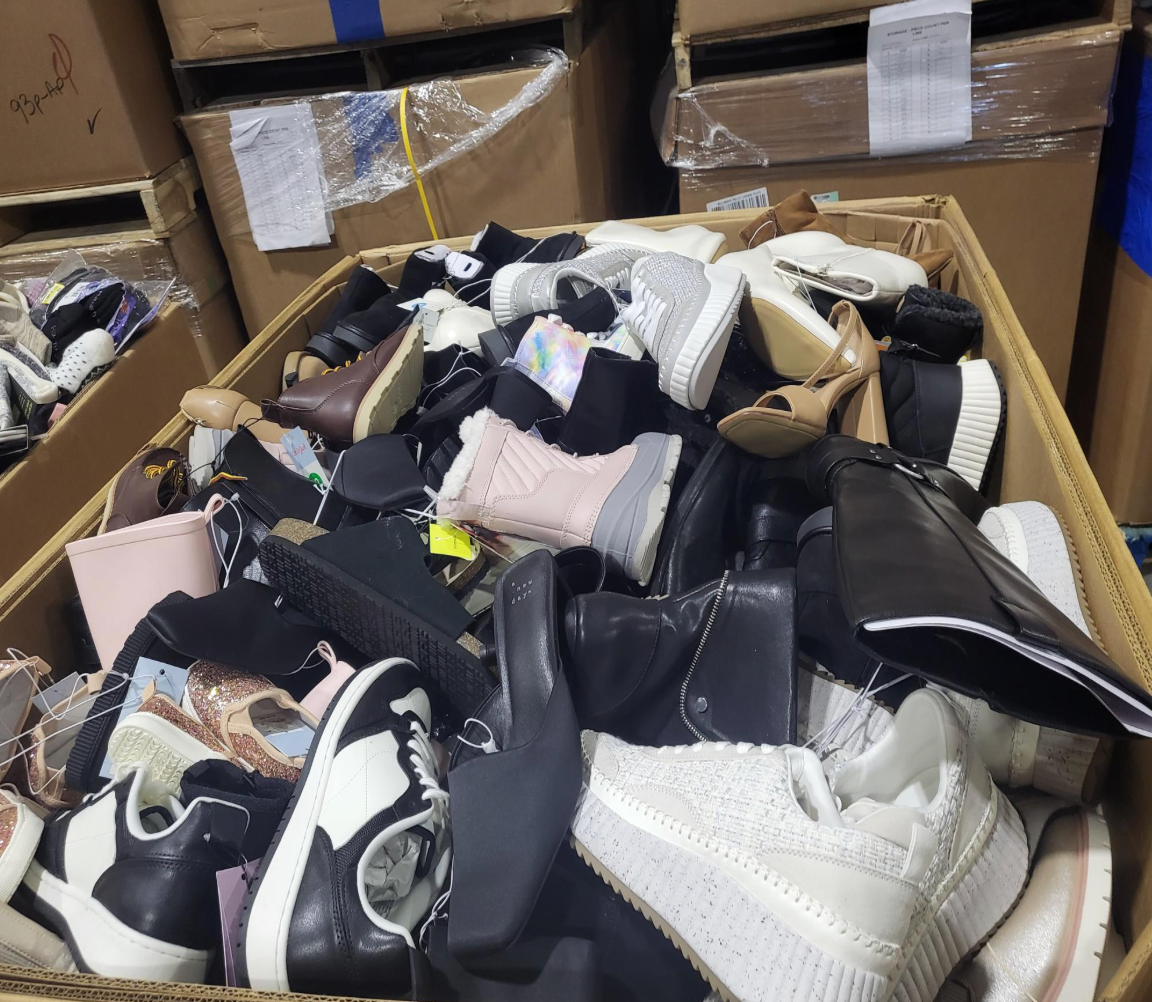
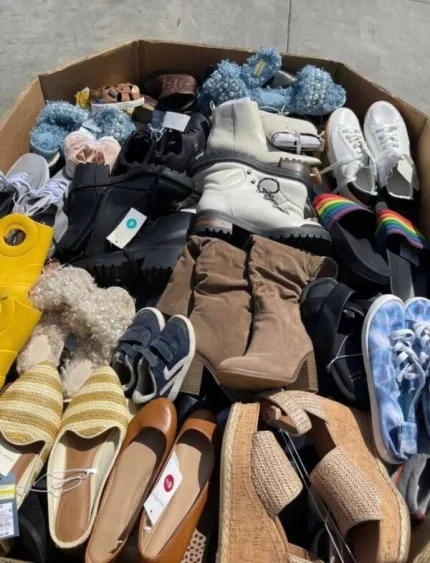
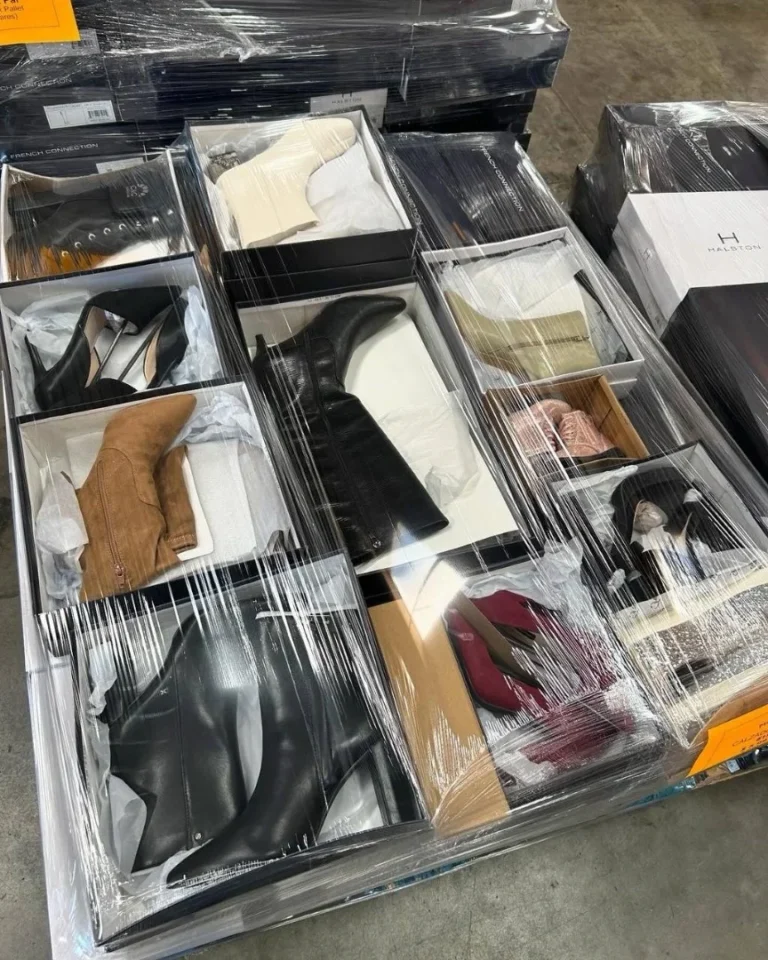
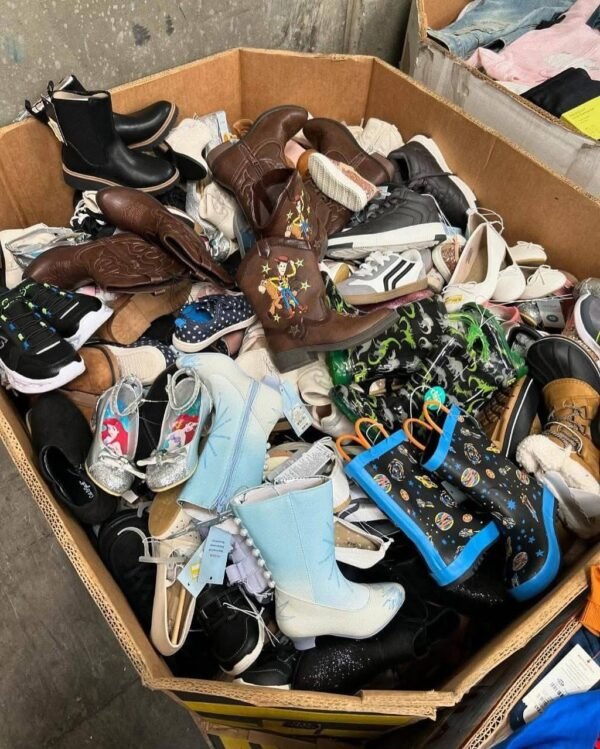
A shoe pallet typically contains a large assortment of footwear packaged together for wholesale resale. Depending on the supplier, the inventory can consist of overstock, closeouts, shelf pulls, customer returns, or new wholesale merchandise. The exact contents, number of pairs, brands, sizes, and condition can vary considerably.
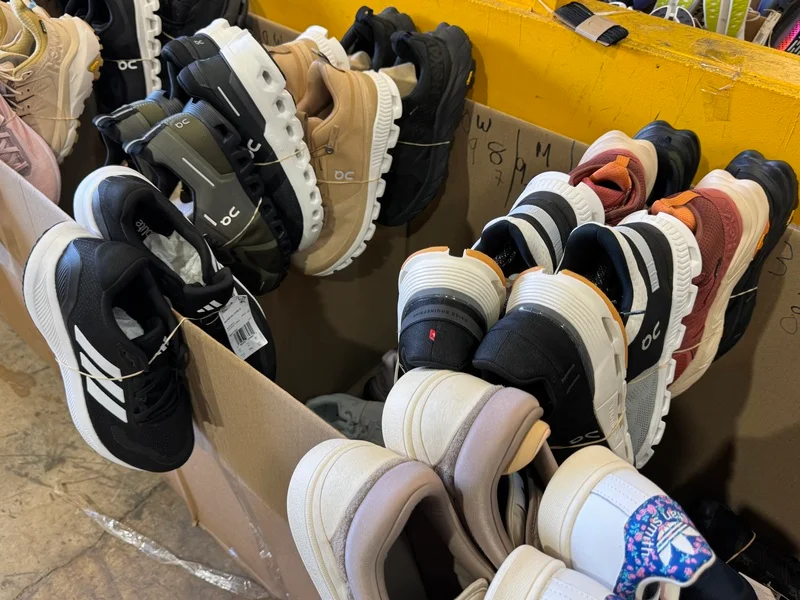
Current wholesale footwear listings show that pallet and truckload opportunities can range from mixed athletic shoes to department-store footwear and branded closeouts. Some suppliers offer manifested inventory with size distributions, while others sell mixed or unmanifested lots.
How to Evaluate Shoe Pallets
A profitable pallet is not necessarily the pallet with the lowest advertised price. What matters is the landed cost per sellable pair.
Before purchasing, evaluate:
- Number of pairs
- Cost per pair
- Size distribution
- Men’s and women’s mix
- Brand composition
- Product condition
- Original packaging
- Shipping costs
- Manifest availability
- Expected resale prices
Size distribution deserves particular attention. A pallet containing a large number of unpopular or extreme sizes may be considerably harder to sell than one with a balanced size range. Industry liquidation listings specifically emphasize the importance of reviewing size distributions before purchasing footwear inventory.
You should also distinguish between new overstock and customer returns. New overstock may arrive in original packaging and require little preparation, while customer-return footwear can require inspection, cleaning, repackaging, or grading before resale.
Buy Shoes in Bulk for Resale
Businesses that buy shoes in bulk should have a clear resale strategy before placing a large order. Determine where the footwear will be sold, who the target customers are, and what price range those customers are willing to pay.
Potential sales channels include:
- Independent online stores
- Marketplaces
- Social-commerce platforms
- Flea markets
- Discount stores
- Boutiques
- Bin stores
- Pop-up shops
- Export markets
Wholesale footwear suppliers currently advertise everything from smaller pallets to very large truckload quantities. One current wholesale listing, for example, advertises mixed sneaker quantities at progressively lower per-pair prices as order volume increases.
Volume can reduce the acquisition price, but buying more inventory also increases your storage requirements and financial exposure. A business should scale its purchasing volume according to its actual sales capacity rather than buying a truckload simply because the per-pair price appears attractive.
Zappos SHOES Pallet and Branded Inventory
The phrase Zappos SHOES Pallet may appear in searches from buyers looking for bulk footwear associated with major retail channels. However, buyers should never assume that a pallet is officially supplied by a particular retailer merely because a listing uses that retailer’s name.
Ask the supplier where the merchandise originated, whether it is overstock or returns, whether a manifest is available, and whether branded products can be authenticated. This is particularly important when a pallet contains expensive or highly recognizable footwear.
Authenticity matters because counterfeit merchandise can create legal, financial, and reputational problems for a reseller. A professional supplier should be able to provide reasonable documentation about the source and condition of its inventory.
Pallets of Clothes for Sale and Mixed Inventory
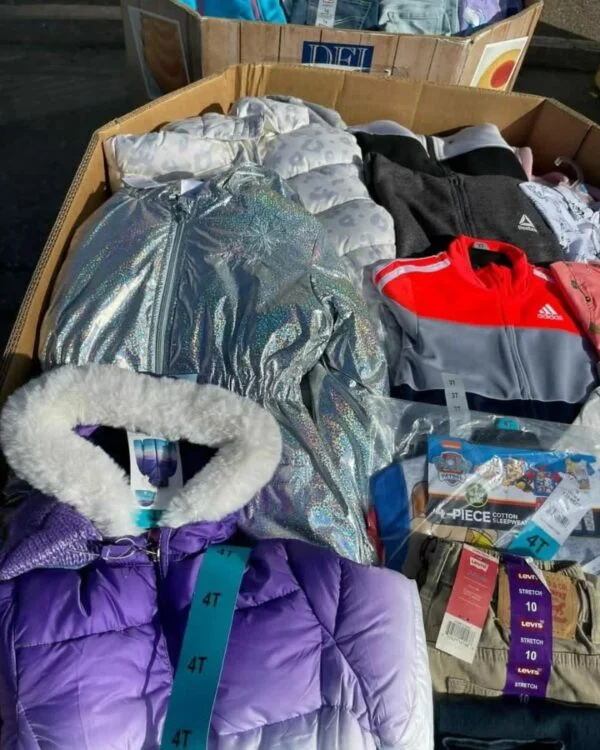
Some retailers don’t limit their businesses to footwear. They also explore pallets of clothes for sale to create a broader fashion inventory.
Combining shoes with apparel can make sense because customers often purchase these categories together. A boutique, discount store, or online fashion seller can use footwear to complement clothing collections and increase average order values.
However, mixed-category liquidation requires additional storage space and more complicated inventory management. Businesses should maintain accurate records so that footwear, apparel, accessories, and other products can be tracked separately.
How to Price Wholesale Footwear
Pricing is one of the most important parts of the resale process. Start with your actual landed cost rather than the supplier’s advertised pallet price.
For example, imagine a hypothetical pallet costs $1,000 and contains 100 pairs. The initial acquisition cost is $10 per pair. If freight costs another $200, the effective cost becomes $12 per pair before considering cleaning, repairs, marketplace fees, packaging, storage, or payment processing.
That distinction is critical. A pallet advertised at $10 per pair does not necessarily mean each sellable pair costs $10.
After calculating the true landed cost, research comparable retail and resale prices. Separate premium brands and highly desirable styles from ordinary inventory instead of applying one price to every pair.
Managing Shoe Inventory
Good inventory management can turn a reasonable wholesale purchase into a successful business. When a pallet arrives, inspect and sort every pair.
Create categories for:
- Brand
- Gender
- Size
- Style
- Condition
- Retail value
- Selling price
Photograph valuable pairs individually and use accurate descriptions. For mixed or lower-value inventory, bundles can make sense because they reduce listing time and help move slower products.
Keep accurate records of which products sell quickly and which remain in storage. That information should influence your next wholesale purchase.
Online Shoe Stores vs. Local Retail
For shoppers, online shoe stores provide convenience and selection, while local retailers provide the ability to physically inspect and try on footwear. Neither option is universally better.
Online shopping is particularly useful when you already know the exact model and size you want. Local shopping is valuable when you’re uncertain about fit or need a product immediately.
For businesses, online sales offer access to a much larger customer base, while local retail can reduce shipping expenses and provide immediate customer interaction. Many successful footwear businesses use both approaches.
Finding the Best Shoes for Your Needs
The “best” shoe depends on its purpose. Running shoes should be evaluated for cushioning, stability, fit, and intended running surface. Work shoes should be selected according to workplace hazards and required protective features. Casual footwear should prioritize comfort, durability, and personal style.
Avoid choosing footwear based solely on brand recognition. A respected brand can make an excellent product, but the right shoe is ultimately the one that fits the user’s needs.
For resale businesses, the same principle applies. Strong brands can help generate demand, but a pallet’s overall profitability depends on the combination of brand mix, sizes, condition, acquisition cost, and selling channels.
Final Thoughts
The market for shoes for sale provides opportunities for both individual shoppers and businesses. Consumers can compare discount shoes, search for discount shoes near me, explore online shoe stores, and evaluate options from established retailers such as Zappos. Zappos currently offers extensive women’s and safety-footwear selections, making it a useful reference point when researching available categories and styles.
Entrepreneurs have a different path. Those looking to buy shoes in bulk can explore shoe pallets, wholesale lots, and larger footwear shipments. Current industry listings demonstrate that bulk footwear can be sourced as new overstock, closeouts, shelf pulls, and customer returns, with quantities ranging from pallets to truckloads.
Whether you’re searching for where to buy shoes, looking for buy shoes near me, comparing Zappos womens shoes, researching Amazon safety shoes, or building a resale operation around bulk shoes, the smartest approach is to compare total costs, product quality, sizing, condition, and customer demand.
For businesses, remember that the cheapest pallet is not automatically the best pallet. A well-manifested load with a balanced size range, desirable styles, and predictable condition can be far more valuable than an inexpensive mystery shipment. With careful sourcing, accurate pricing, professional presentation, and disciplined inventory management, footwear can become a strong and scalable retail category.
Reviews
There are no reviews yet.