
Call or Text : +1 (440) 613-9487 Or Place your order directly on our website an agent will contact you immediately concerning your order. All bulk orders payment terms we accept bank wire transfer or bank deposite.
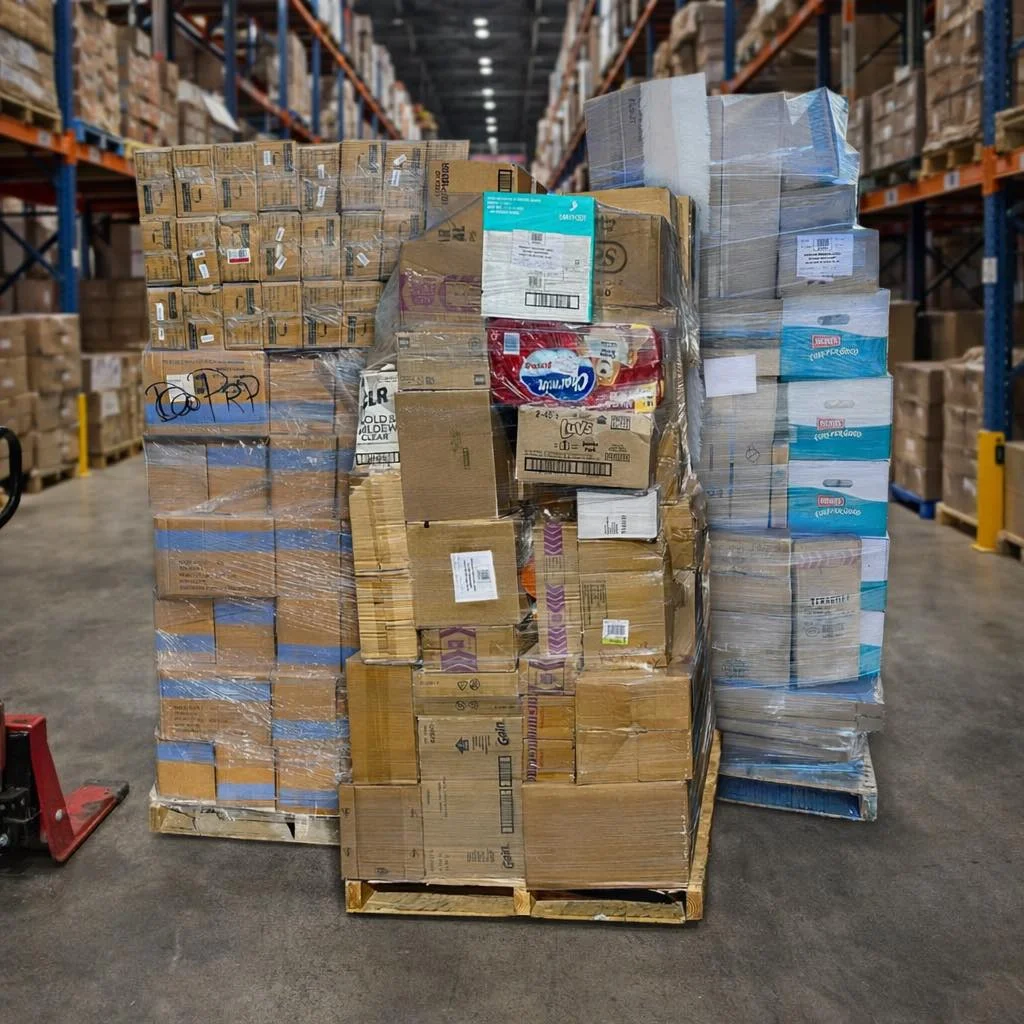
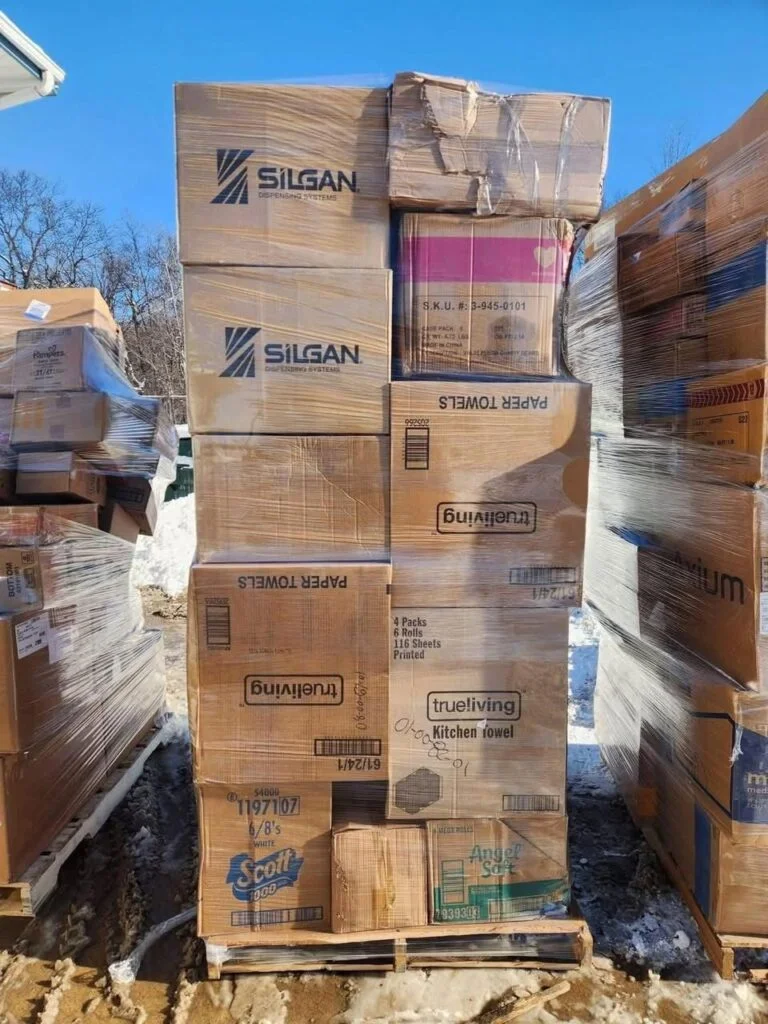
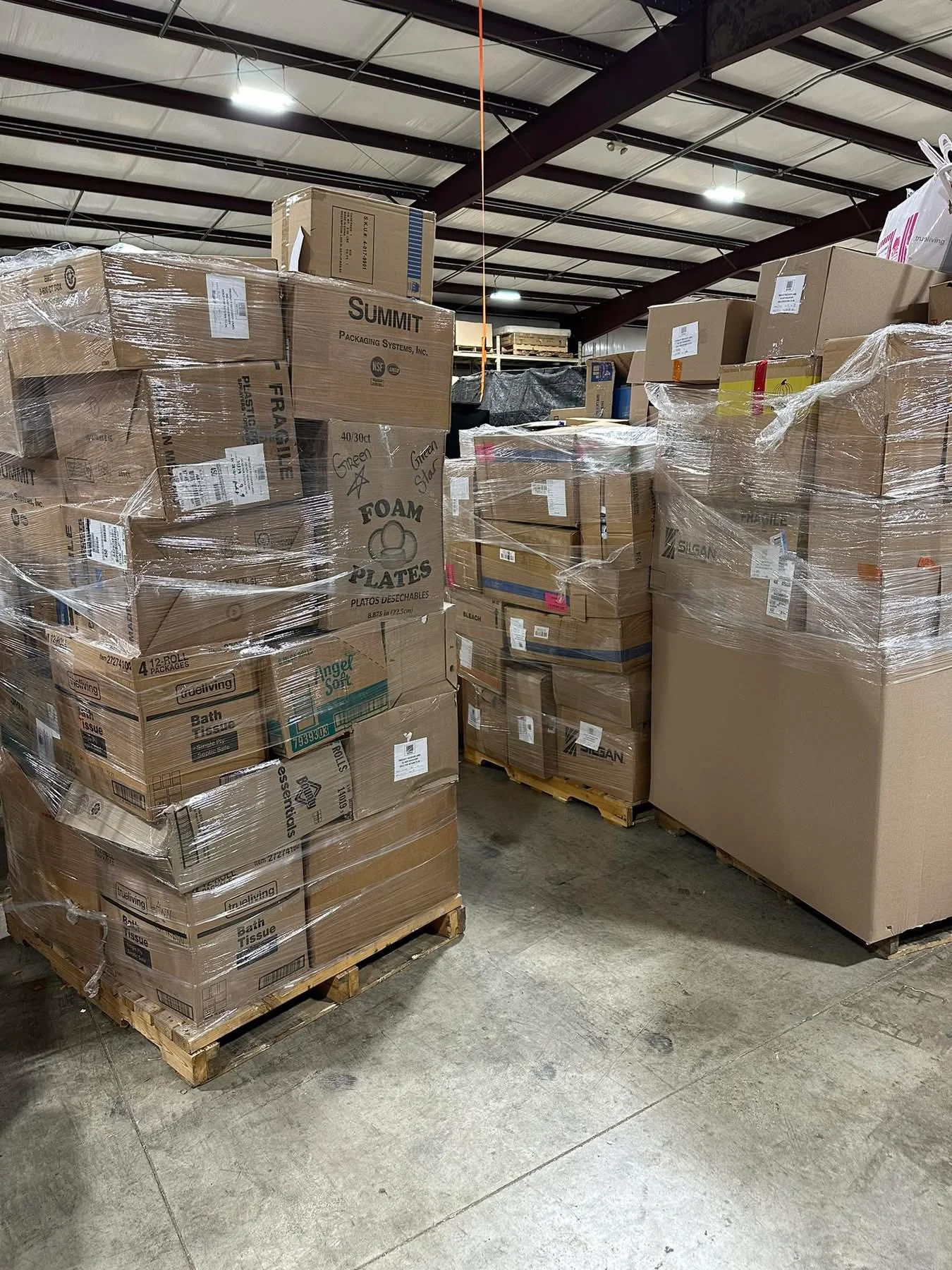
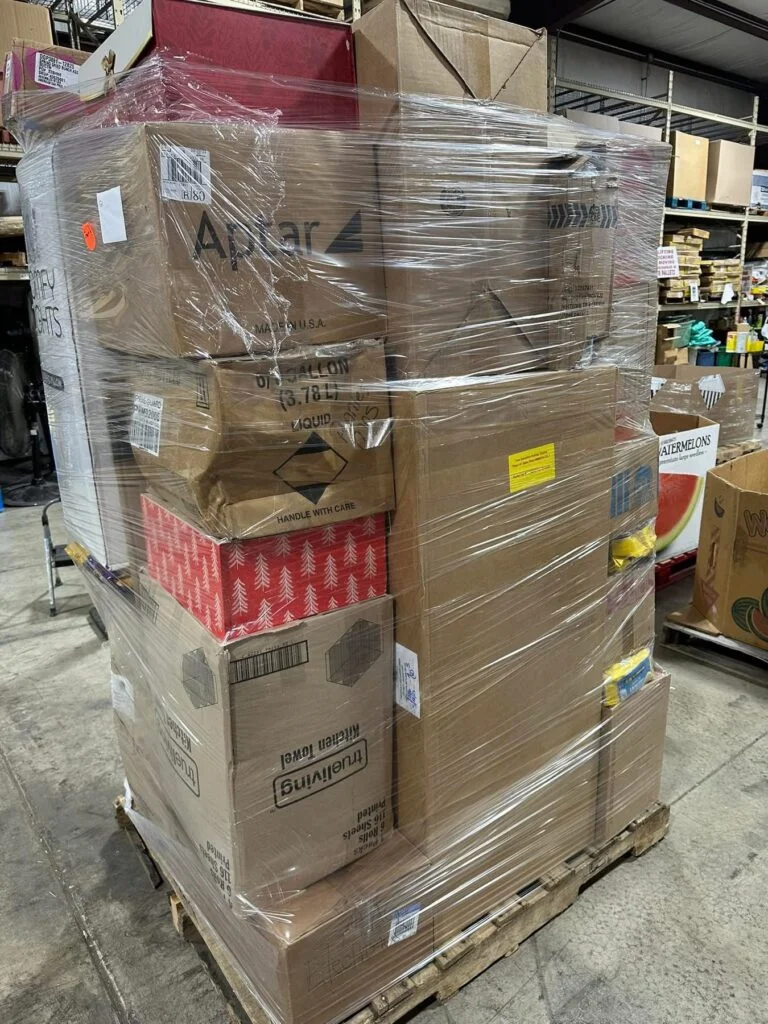
$1,500.00
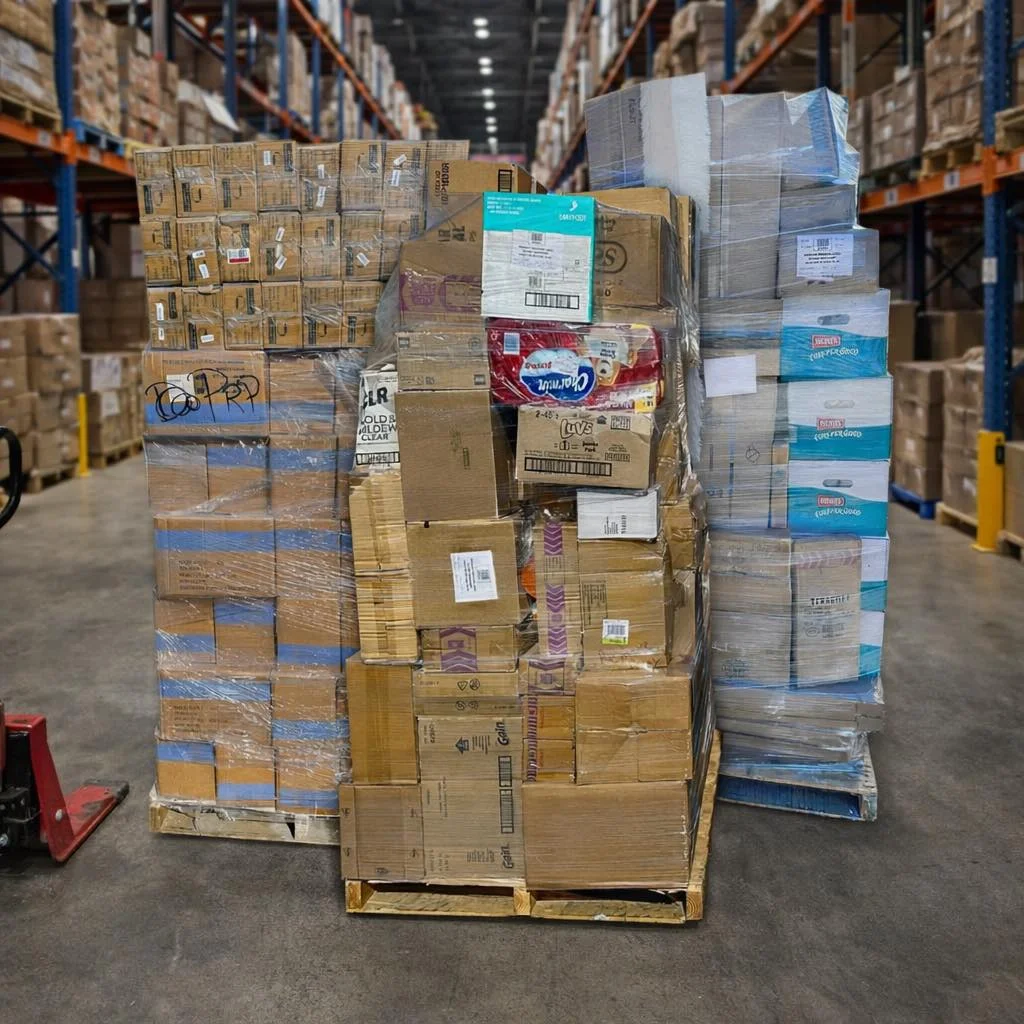
Find an Amazon pallet sale with great deals on liquidation pallets. Explore mixed inventory, customer returns, overstock, and wholesale products at competitive prices.
Get access to high-demand Dollar General Mixed Retail Truckloads packed with profitable resale items. Perfect for beginners and bulk buyers looking for strong margins and fast-moving inventory.
An Amazon pallet sale can be an attractive opportunity for resellers, small businesses, online retailers, flea-market vendors, and entrepreneurs looking to purchase merchandise in bulk. Instead of buying individual products at standard retail prices, buyers can acquire pallets containing customer returns, overstock, shelf pulls, excess inventory, and other merchandise.
The liquidation market has grown into a major sourcing channel for businesses looking to reduce inventory costs. Products may include electronics, home goods, tools, toys, clothing, shoes, appliances, beauty products, and general merchandise.
However, successful liquidation buying requires more than finding the lowest price. Buyers need to understand product condition, manifests, shipping costs, resale demand, and the difference between an individual pallet and a full truckload.
This guide explains how an Amazon pallet sale works, what to look for, and how to make smarter purchasing decisions.
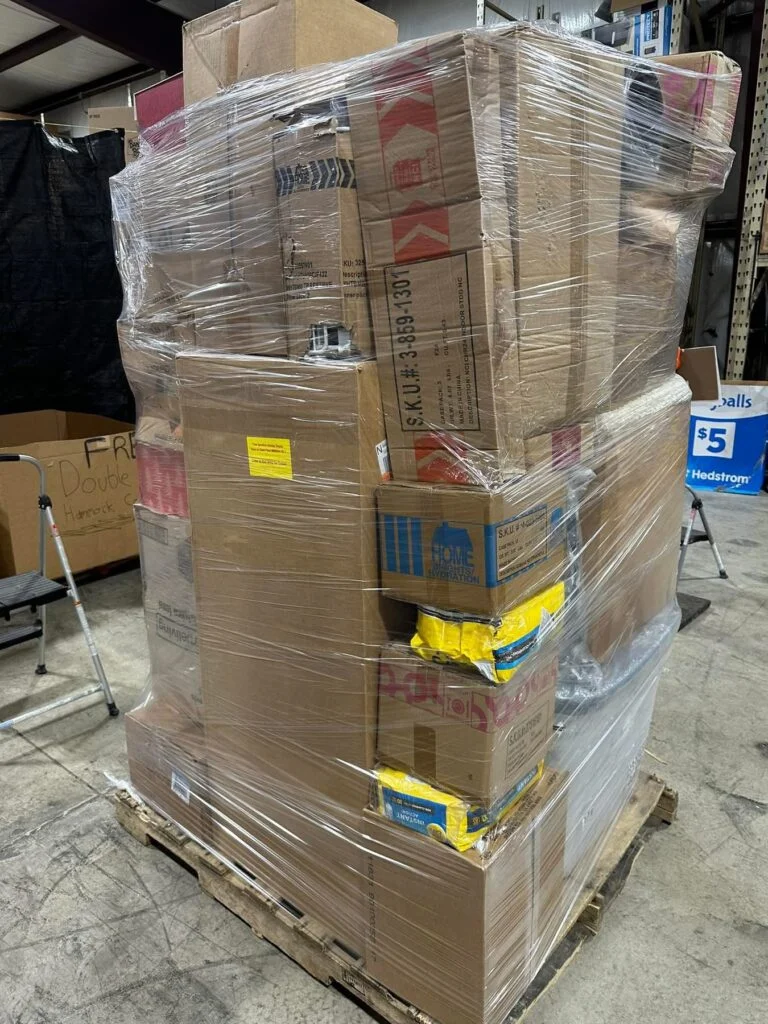
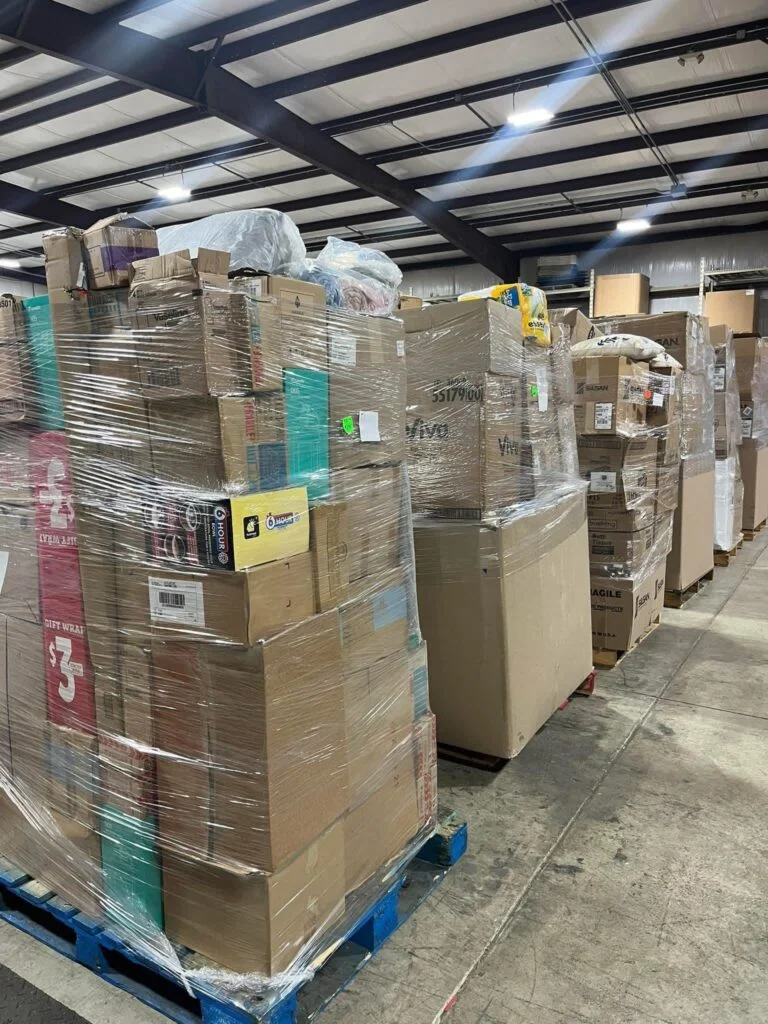
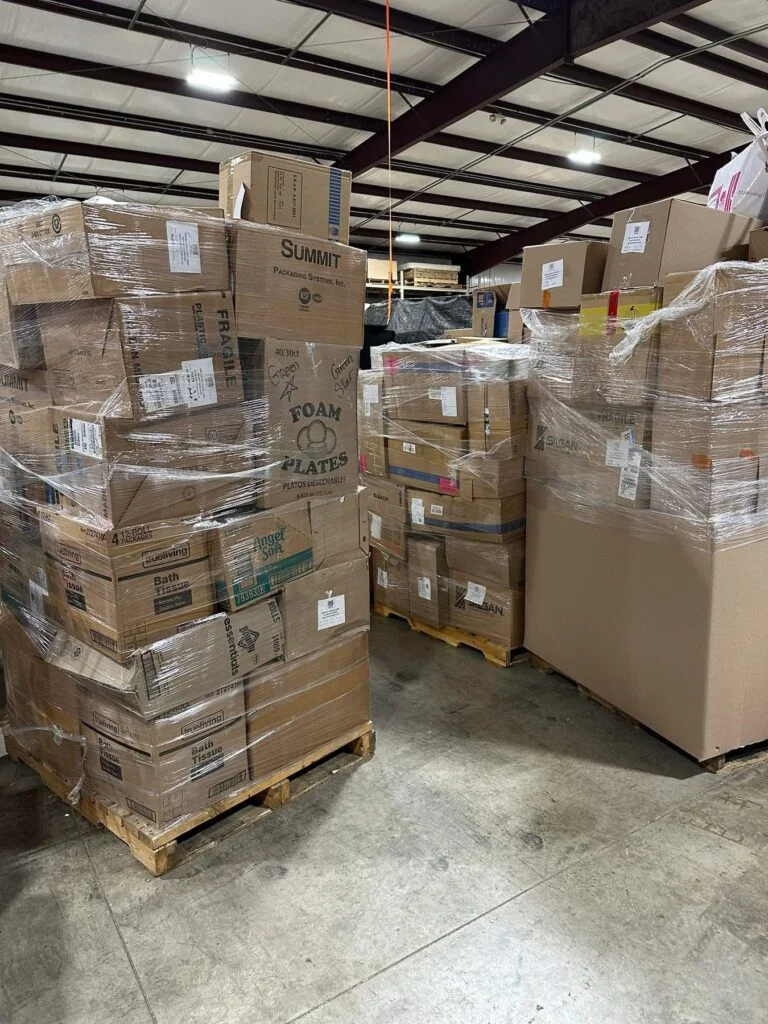
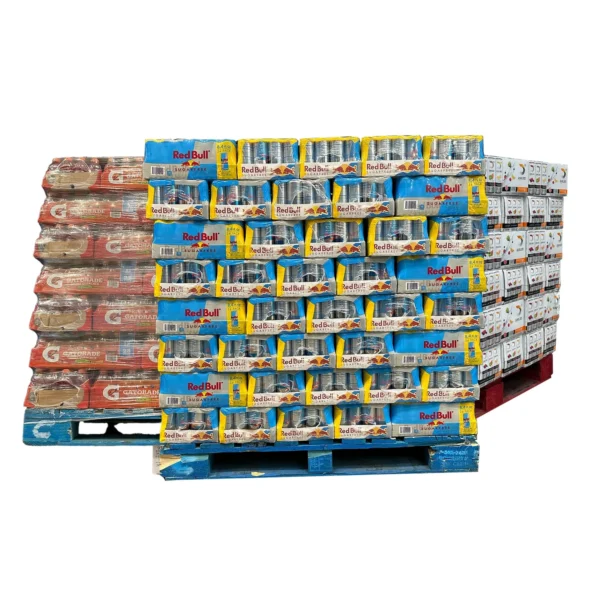
An Amazon pallet sale generally refers to the sale of merchandise assembled onto a standard shipping pallet for liquidation or resale. These pallets can contain products from customer returns, Amazon overstock, shelf pulls, discontinued inventory, and other surplus merchandise.
The exact contents can vary considerably from one pallet to another. Some pallets may contain products from a single category, while mixed pallets can include dozens of different product types.
For resellers, the primary attraction is the possibility of acquiring merchandise at a lower cost than purchasing comparable products individually through traditional wholesale channels.
However, liquidation inventory should always be evaluated based on its actual resale potential, not just the stated retail value.
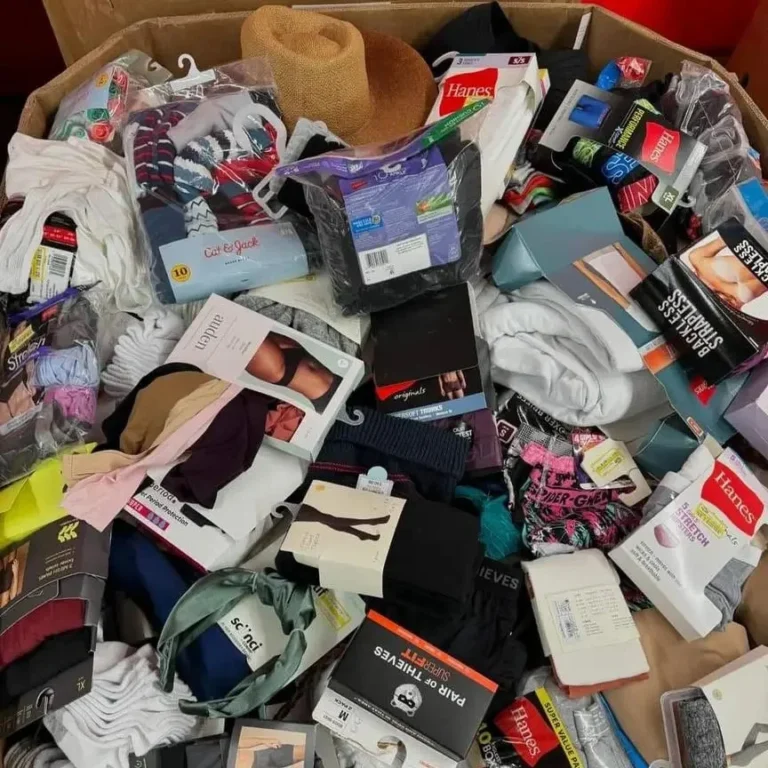
Amazon return pallets are commonly associated with customer-return merchandise. A customer may return an item because of a change of mind, damaged packaging, incorrect sizing, a product issue, or another reason.
Returned merchandise can have different conditions. Depending on the liquidation source and inspection process, a pallet may contain:
This is why buyers should ask questions about condition before purchasing.
A pallet advertised as “customer returns” should not automatically be assumed to contain entirely new products.
The main reason businesses purchase liquidation pallets is the potential to acquire inventory at competitive wholesale costs.
A reseller can purchase a pallet, sort the merchandise, test applicable products, photograph individual items, and then sell them through different channels.
Potential sales channels include:
A buyer can also separate products into different price tiers. High-demand items can be sold individually, while lower-value merchandise can be bundled.
Pallets of merchandise for sale can cover almost every retail category.
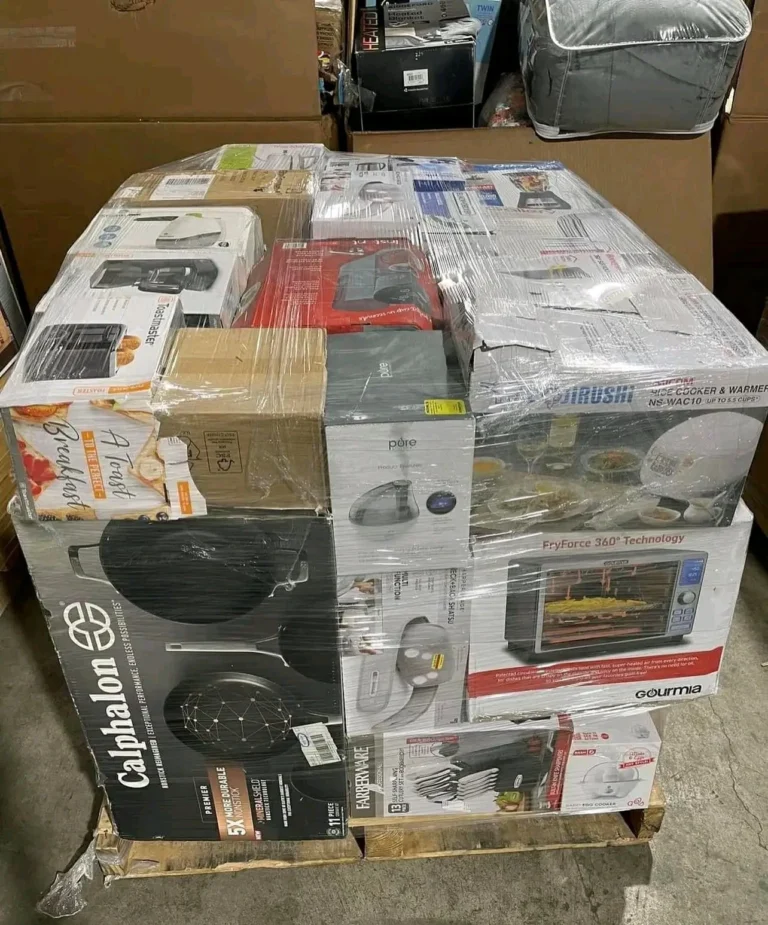
A general merchandise pallet might contain kitchen products, home décor, tools, small appliances, toys, clothing, electronics, and accessories.
Specialized pallets can be easier to manage because the reseller already understands the target market. For example, someone specializing in tools may prefer tool pallets rather than mixed general merchandise.
The best category depends on your experience, available storage, local demand, and preferred selling platform.
If you’re looking for a profitable, low-risk way to enter the resale business or scale your existing operation, Dollar General Mixed Retail Truckloads are one of the best inventory options available today. These truckloads are packed with high-demand everyday products that sell quickly both online and in physical stores.
Unlike niche pallets that limit your market, Dollar General Mixed Retail Truckloads offer a diverse product mix that appeals to a wide range of customers. This means faster turnover, consistent demand, and higher overall profit potential.
Each Dollar General Mixed Retail Truckload includes a variety of general merchandise sourced from one of the most popular discount retail chains in the United States. These items are carefully selected to provide strong resale value.
Typical product categories include:
This wide variety makes Dollar General Mixed Retail Truckloads ideal for resellers targeting multiple niches at once.
The main advantage of Dollar General Mixed Retail Truckloads is simple: demand. Dollar General products are already trusted and widely used across the U.S., which makes them easier to resell.
Here’s why these truckloads perform so well:
For both beginners and experienced sellers, Dollar General Mixed Retail Truckloads provides a reliable and scalable business model.
Whether you’re just starting out or already buying in volume, Dollar General Mixed Retail Truckloads fit every level of experience.
For beginners:
For advanced buyers:
With Dollar General Mixed Retail Truckloads, you don’t need to guess what will sell — the demand is already proven.
Each Dollar General Mixed Retail Truckload typically includes:
This makes it easy to manage logistics while focusing on selling and scaling your business.
When purchasing Dollar General Mixed Retail Truckloads, you may have two options:
Manifested Truckloads
Unmanifested Truckloads
Both options offer excellent value depending on your business strategy.
One of the biggest advantages of Dollar General Mixed Retail Truckloads is flexibility. You can sell these products across multiple platforms:
Because the inventory includes everyday items, you’re not limited to a single sales channel.
The profit potential with Dollar General Mixed Retail Truckloads is significant due to the low cost per item and high resale demand.
Typical advantages include:
With the right strategy, a single Dollar General Mixed Retail Truckload can generate consistent revenue and repeat customers.
We offer fast and reliable delivery for all Dollar General Mixed Retail Truckloads:
You can also arrange pickup if preferred.
When you purchase from us, you’re getting more than just inventory — you’re getting a reliable supply partner.
We make it easy for you to start and grow with Dollar General Mixed Retail Truckloads.
If you’re ready to build or scale your resale business, Dollar General Mixed Retail Truckloads are the perfect place to start.
Whether you want a single truckload or multiple loads, we can help you find the best option based on your budget and goals.
Ready to order your Dollar General Mixed Retail Truckloads?
Contact us today to:
Send your delivery ZIP code and preferred inventory type, and we’ll secure the best deal for you.
1. What are Dollar General Mixed Retail Truckloads?
They are bulk shipments of mixed merchandise from Dollar General stores, including household, snacks, and beauty products.
2. Are Dollar General Mixed Retail Truckloads good for beginners?
Yes, they are one of the best options due to product variety and strong resale demand. Dollar General liquidation truckloads
3. Do the truckloads come with a manifest?
You can choose between manifested and unmanifested loads depending on your preference.
4. How many pallets are in a truckload?
Typically between 20 and 28 pallets per truckload.
5. Can I sell these items online?
Yes, they are ideal for platforms like eBay, Amazon, and Facebook Marketplace.
6. Do you offer shipping?
Yes, we provide nationwide delivery across the U.S.
7. What is the profit potential?
Profit depends on your pricing strategy, but margins are generally high due to low cost per item.
8. How do I order?
Simply contact us with your ZIP code and inventory preference to get started.
When searching for Amazon pallets for sale, don’t purchase solely because the advertised retail value appears high.
A pallet supposedly worth thousands of dollars at retail does not necessarily mean you can resell everything for that amount.
Before buying, evaluate:
Manifest: A detailed manifest can help you understand what products are included.
Condition: Determine whether products are new, open-box, returned, tested, or untested.
Quantity: Confirm the approximate number of units.
Estimated resale value: Research actual selling prices rather than relying only on suggested retail prices.
Shipping: Freight costs can substantially change the final acquisition price.
Seller reputation: Look for established sellers with clear terms and transparent business information.
Return policy: Understand whether liquidation purchases are final sale.
These factors can help you calculate whether the pallet makes financial sense.
Suppose you purchase an Amazon pallet for $500. If freight costs $175 and other expenses total $50, your actual acquisition cost is:
$500 + $175 + $50 = $725
If the pallet contains 50 sellable units, your average landed cost is approximately:
$725 ÷ 50 = $14.50 per sellable unit
This is a much more useful figure than simply saying the pallet cost $500.
You should also account for marketplace fees, payment processing, packaging, storage, returns, and your time.
The search term Amazon return pallets for sale is popular among entrepreneurs who want to enter the liquidation business. These pallets can potentially provide a wide variety of products at an attractive acquisition cost.
However, returns can involve greater uncertainty than conventional wholesale inventory.
For example, a pallet might contain several identical products, but some could be missing accessories or have damaged retail packaging.
That doesn’t automatically make the pallet a bad purchase. It simply means the buyer needs to price inventory according to its actual condition.
A product with damaged packaging may still be perfectly functional and sell successfully at a discount.
After receiving an Amazon return pallet, organize the inventory into categories.
A practical sorting system might include:
Testing is particularly important for electronics, appliances, tools, and other products with electrical or mechanical components.
Good organization also makes listing products much faster.
Businesses that already have experience with pallets may eventually consider truckloads.
A truckload represents a significantly larger inventory commitment than a single pallet. Depending on the product, a truckload can contain dozens of pallets.
Liquidation truckloads can offer a lower average acquisition cost per unit, but they require more capital, storage, labor, and resale capacity.
A truckload is therefore generally better suited to established resellers, warehouse operators, discount stores, and businesses with reliable sales channels.
Moving from individual pallets to liquidation truckloads should be based on proven demand.
If a reseller consistently sells 20 pallets of merchandise per month, purchasing larger quantities may make sense.
If the business struggles to sell one pallet, buying an entire truckload can create unnecessary financial pressure.
Start at a manageable level, track your results, and scale when your sales data supports the decision.
The phrase the bin store liquidation pallets & truckloads is associated with searches for liquidation inventory used by bin stores and discount retailers.
Bin stores typically sell merchandise at predetermined low prices, often changing the price throughout the sales cycle. This model can work well with liquidation inventory because products are acquired in bulk and sold individually at accessible prices.
A bin-store operator needs consistent inventory flow. As merchandise sells, new pallets can be brought into the store to keep customers returning.
This model demonstrates why liquidation isn’t limited to online reselling. Physical retail businesses can also build successful operations around bulk inventory.
A warehouse liquidation operation can be another source of bulk merchandise. Warehouse liquidations may occur when a retailer closes a location, moves inventory, reorganizes distribution, or needs to clear excess stock.
Local sourcing can provide an advantage because buyers may be able to inspect merchandise before purchasing.
Searches such as liquidation warehouse near me, pallet liquidation near me, and pallets for sale near me are often used by buyers looking for local inventory.
Local purchases can potentially reduce freight expenses and allow buyers to inspect pallets personally.
If you’re specifically searching for an Amazon pallet sale near me, compare local offers with online liquidation options.
Ask local sellers:
Local pickup can be particularly useful for new resellers because you can physically evaluate the inventory before expanding into larger purchases.
Amazon isn’t the only retailer associated with liquidation inventory. Resellers may also encounter merchandise connected with retailers such as Dollar General and other major chains.
Each source can have different product categories, return policies, packaging standards, and inventory characteristics.
Rather than assuming one retailer always provides the best liquidation deals, compare opportunities based on the actual products available.
For example, a reseller specializing in household essentials may prefer one source, while a tool reseller may find another source more attractive.
Your experience should influence what type of pallet you buy.
If you understand electronics, you may be comfortable testing and listing electronic products.
If you have experience with clothing, apparel pallets may be easier to sort and sell.
If you specialize in toys, a toy-focused pallet can provide a more targeted inventory.
The best pallet is not necessarily the one with the highest advertised retail value. It is the one containing products you can confidently sell.
Successful liquidation reselling requires a clear process.
First, source inventory carefully. Second, inspect and organize everything when it arrives. Third, research market prices. Fourth, photograph and list products accurately. Finally, track sales and expenses.
Avoid pricing everything based on the original retail price. Customers generally care about what the product is actually worth in the current market.
For example, if an item originally sold for $100 but similar used or open-box products currently sell for $45, pricing your returned item at $95 may prevent it from selling.
Competitive pricing can produce faster inventory turnover.
Not every product will sell immediately.
Create strategies for slow-moving merchandise:
Inventory sitting in storage represents tied-up capital.
A lower profit on a slow-moving item may be better than holding it indefinitely.
An Amazon pallet sale can provide an exciting opportunity for entrepreneurs who want to purchase merchandise in bulk and resell individual products for a profit. From Amazon return pallets and Amazon overstock to broader liquidation pallets, the market offers many different sourcing opportunities.
However, profitable liquidation buying requires careful research. Buyers should understand product condition, inspect manifests, calculate freight, estimate realistic resale prices, and consider marketplace fees before purchasing.
For beginners, starting with one or two pallets can be a practical way to learn the process. Once sales data demonstrates consistent demand, expanding into truckloads or larger liquidation truckloads may become more appropriate.
Local searches for pallet liquidation near me, pallets for sale near me, Amazon pallet sale near me, and liquidation warehouse near me can also help buyers compare pickup opportunities and potentially reduce freight costs.
Whether you’re building an online resale business, operating a discount store, supplying a bin store, or simply looking for Amazon return pallets for sale, the smartest approach is to focus on real product value rather than impressive claims. Research the inventory, calculate your true costs, understand your customers, and buy only when the numbers make sense.
With disciplined sourcing and effective resale strategies, liquidation pallets can become a valuable component of a diversified wholesale inventory business.
WhatsApp us
Get 10% off orders of $200 or more when you choose Zelle, Cash App, or Chime during checkout.
How it works: Your discount is automatically applied after you choose an eligible payment method at checkout.
Minimum product subtotal: $200. Credit-card orders remain at standard listed price. One promotion per order.
Reviews
There are no reviews yet.