Description
Wholesale Kids Clothing: A Complete Guide to Buying Children’s Apparel in Bulk
Buying wholesale kids clothing is one of the most effective ways for boutique owners, online retailers, resellers, and small businesses to build a profitable children’s fashion inventory. Wholesale purchasing allows businesses to access clothing in larger quantities at lower per-unit costs, creating more room for competitive retail pricing and healthy margins.
The children’s apparel market covers a wide range of products, from newborn essentials and everyday outfits to seasonal dresses, school clothing, sleepwear, jackets, and accessories. Whether you operate a physical children’s boutique or an online store, choosing the right wholesale supplier can make a major difference in product quality, pricing, inventory consistency, and customer satisfaction.
This guide explains how to approach wholesale children’s apparel, compare suppliers, evaluate quality, and build a practical inventory strategy.
Why Wholesale Kids Clothing Is a Smart Business Opportunity
The demand for children’s clothing remains consistent because children regularly outgrow their clothes, require seasonal wardrobes, and need different outfits for school, holidays, birthdays, and special occasions. Parents also frequently purchase clothing in multiple sizes as their children grow.
For retailers, this creates an opportunity to maintain repeat customers by offering practical, attractive, and affordable products.
Purchasing wholesale children’s clothing can reduce the average cost of inventory compared with buying individual pieces at retail prices. Businesses can then sell individual garments at competitive prices while maintaining a reasonable margin.
Wholesale purchasing can also help retailers create coordinated collections. Instead of stocking a few random garments, a business can purchase multiple sizes and styles within a particular theme.
For example, a boutique could offer:
- Newborn essentials
- Baby bodysuits
- Toddler outfits
- Girls’ dresses
- Boys’ casual wear
- Children’s pajamas
- Seasonal clothing
- Holiday outfits
- Jackets and outerwear
- School-ready clothing
- Accessories
A broad inventory helps a retailer serve customers at different stages of childhood.
Wholesale Baby Clothes and Newborn Inventory
Wholesale baby clothes are particularly useful for retailers because parents continually need comfortable garments for growing babies. Popular categories include bodysuits, rompers, sleepwear, leggings, shirts, dresses, socks, hats, and lightweight outerwear.
Retailers should prioritize practical fabrics and comfortable construction when choosing baby inventory. Soft materials, secure closures, durable stitching, and easy-care fabrics can make products more attractive to parents.
Businesses looking for newborn stuff for sale can also consider creating bundles. A newborn clothing bundle might include several bodysuits, a romper, socks, a hat, and a lightweight blanket. Bundling can increase average order value while giving customers a convenient purchasing option.
When buying wholesale, always check the supplier’s sizing information because children’s sizing can vary between manufacturers.
Children’s Wear Wholesale for Boutiques and Online Stores
Childrens wear wholesale gives retailers access to larger quantities of clothing suitable for toddlers, school-age children, and older kids.
A successful children’s boutique generally needs a balanced selection rather than focusing exclusively on one style. Everyday clothing can provide consistent sales, while fashionable or seasonal products can create additional demand.
Retailers may choose to divide their inventory into categories such as:
| Category |
Examples |
Typical Customer Need |
| Everyday wear |
T-shirts, leggings, jeans |
School and casual use |
| Occasion wear |
Dresses, shirts, formal outfits |
Events and celebrations |
| Seasonal wear |
Coats, sweaters, shorts |
Weather changes |
| Sleepwear |
Pajamas and nightwear |
Home and bedtime |
| Baby essentials |
Bodysuits, rompers |
Newborn and infant use |
| Holiday clothing |
Christmas and themed outfits |
Seasonal events |
This approach makes it easier to organize an online catalog and create targeted promotions.
What to Look for in a Wholesale Children’s Clothing Supplier
Finding a dependable supplier is just as important as finding an attractive price. A low wholesale price is not necessarily a good deal if the clothing arrives damaged, incorrectly sized, poorly packaged, or inconsistent with the product description.
When evaluating childrens clothing wholesale suppliers, examine several factors before committing to a large purchase.
Start with product quality. Request photographs, specifications, samples, or a small test order whenever possible. Inspect stitching, seams, buttons, zippers, fabric weight, prints, and overall construction.
Next, examine pricing. Compare the supplier’s unit price with expected retail pricing and calculate the actual gross margin.
Shipping also matters. A supplier offering inexpensive clothing may become expensive once freight, handling, and other costs are included.
Wholesale Blank Clothing for Custom Businesses
Wholesale blank clothing is another valuable category for businesses that create customized children’s apparel. Blank T-shirts, sweatshirts, hoodies, bodysuits, and other garments can be decorated with embroidery, printing, patches, or other designs.
This business model can be particularly useful for:
- Custom children’s boutiques
- Personalized gift stores
- School apparel businesses
- Sports teams
- Event merchandise companies
- Online print-on-demand stores
- Birthday-party clothing businesses
Before purchasing blank clothing in bulk, verify fabric composition, available sizes, colors, minimum order quantities, and customization compatibility.
A retailer can then build personalized products without manufacturing the underlying garment from scratch.
Wholesale Children’s Apparel and Seasonal Demand
Seasonality plays a major role in children’s fashion. Retailers should plan inventory months ahead rather than waiting until a season is already underway.
Holiday clothing is a good example. A baby girl Christmas dress may sell strongly during the holiday season but experience significantly lower demand afterward. The same principle applies to Easter outfits, Halloween clothing, summer swimwear, winter coats, and back-to-school products.
A baby blue prom dress is another example of a specialized occasion garment. Although it isn’t everyday children’s clothing, occasion-based inventory can attract customers searching for formalwear for older children and teens.
The key is maintaining the right balance between evergreen products and seasonal inventory.
How to Find Cheap Baby Stuff Without Sacrificing Quality
Retailers often search for where to find cheap baby items because price-sensitive parents are an important customer group. However, “cheap” should mean good value rather than poor quality.
Businesses should calculate the total cost of ownership rather than simply comparing wholesale unit prices.
For example:
Product cost + shipping + handling + packaging + marketplace fees = actual cost
If a product costs $3 wholesale but requires $2.50 in additional expenses, the real cost is considerably higher than the advertised unit price.
Retailers should also consider return rates. Very inexpensive products that generate frequent customer complaints can ultimately cost more than slightly higher-quality products.
When sourcing baby supplies, pay close attention to product descriptions and intended age ranges. Clothing should be appropriate for the age group for which it is marketed.
Cheap Baby Stuff and Value-Based Retailing
Customers searching for cheap baby stuff are often looking for affordability, but they still expect acceptable quality.
A strong retailer can provide value by offering:
- Multi-piece clothing bundles
- Clearance collections
- Seasonal promotions
- Buy-more discounts
- Mix-and-match deals
- Outlet sections
- Basic everyday essentials
These strategies allow a business to remain price competitive without relying exclusively on extremely low-quality merchandise.
Wholesale Baby Clothes vs. Liquidation Inventory
Traditional wholesale purchasing is not the only way to source children’s apparel. Some retailers also explore liquidation inventory.
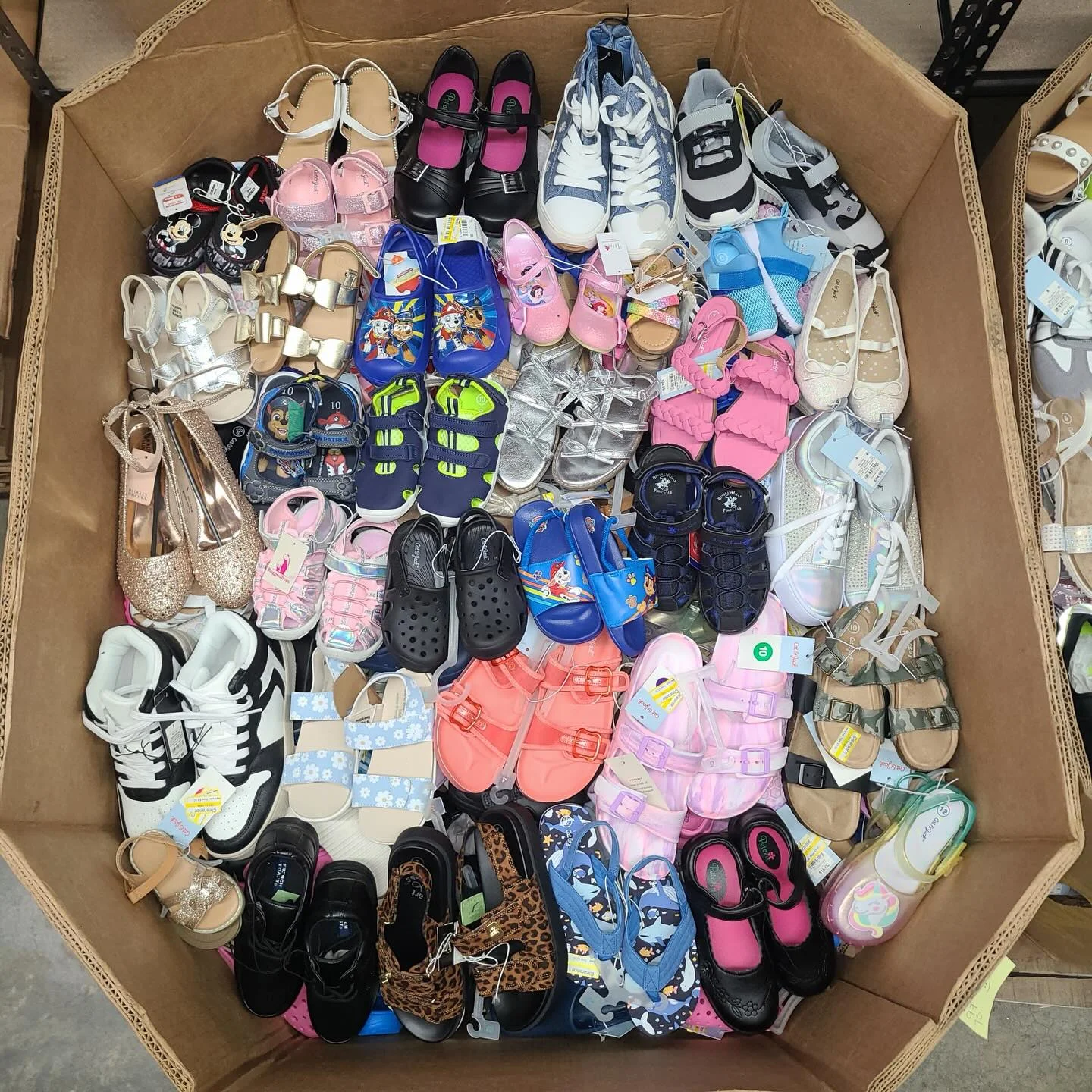
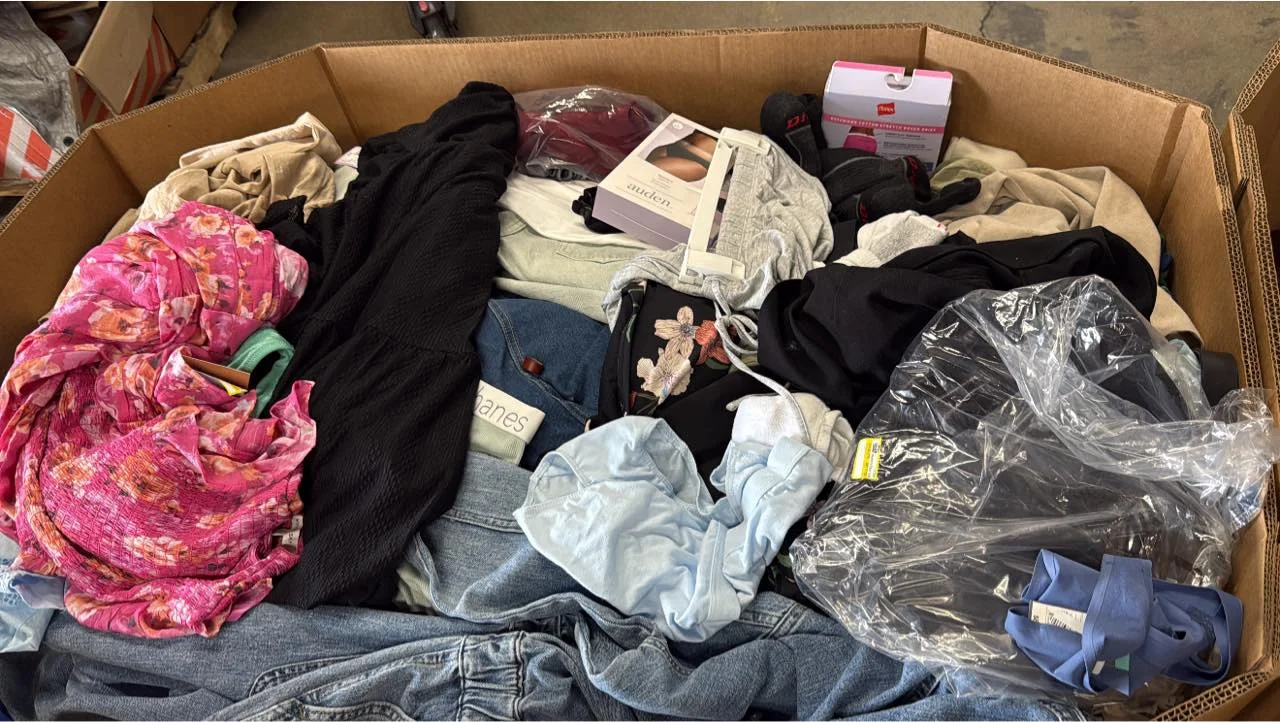
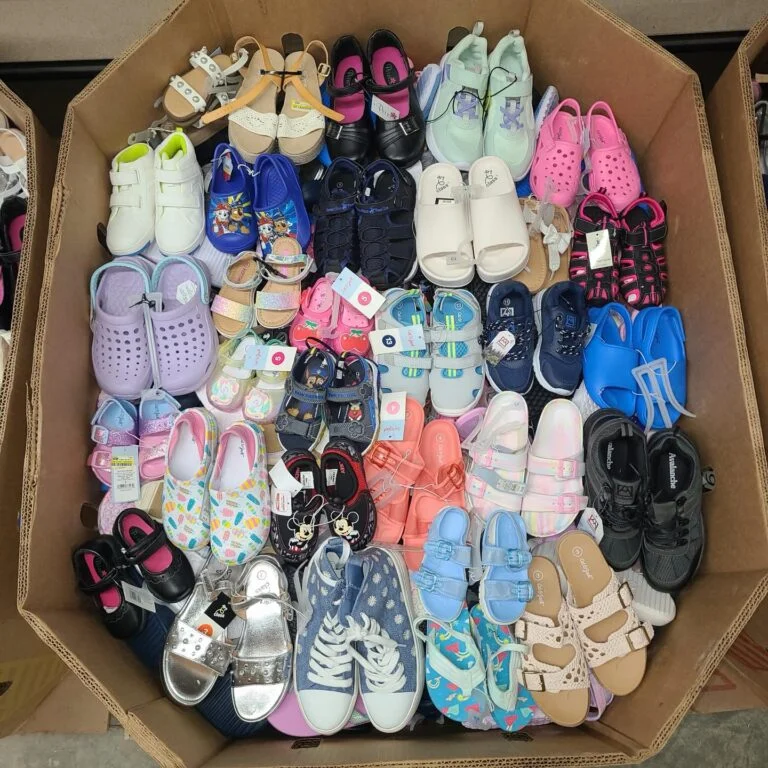
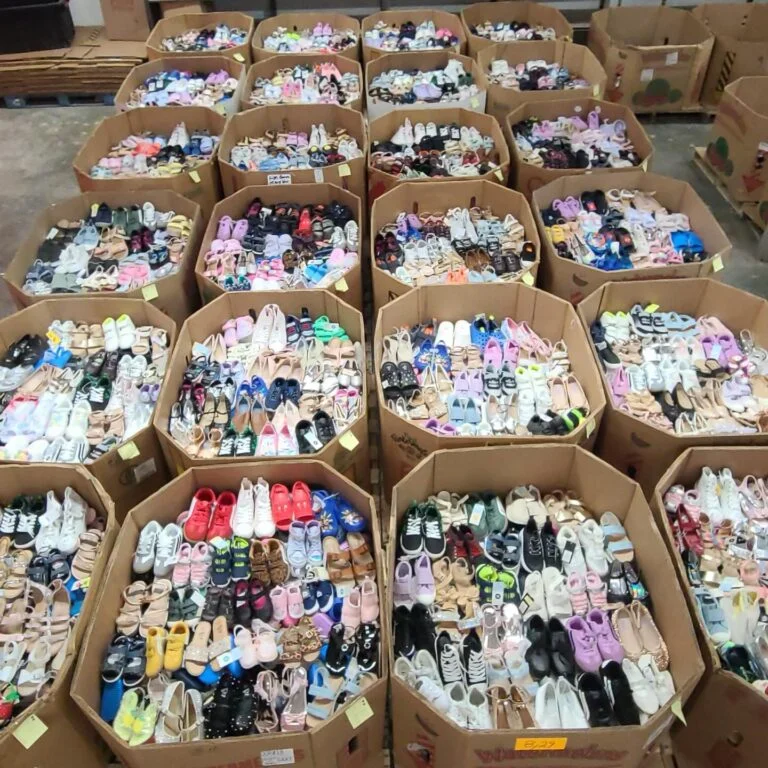
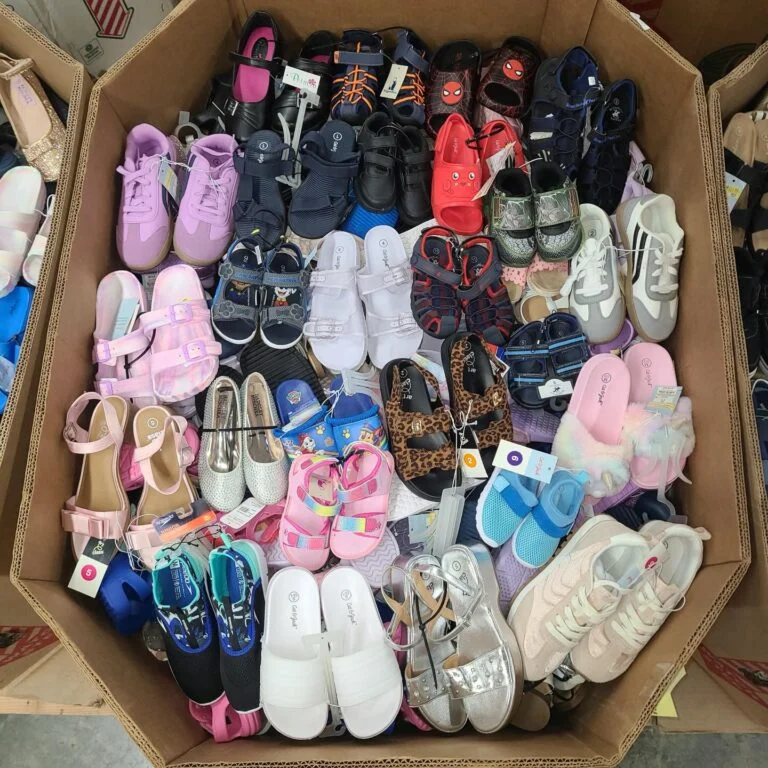
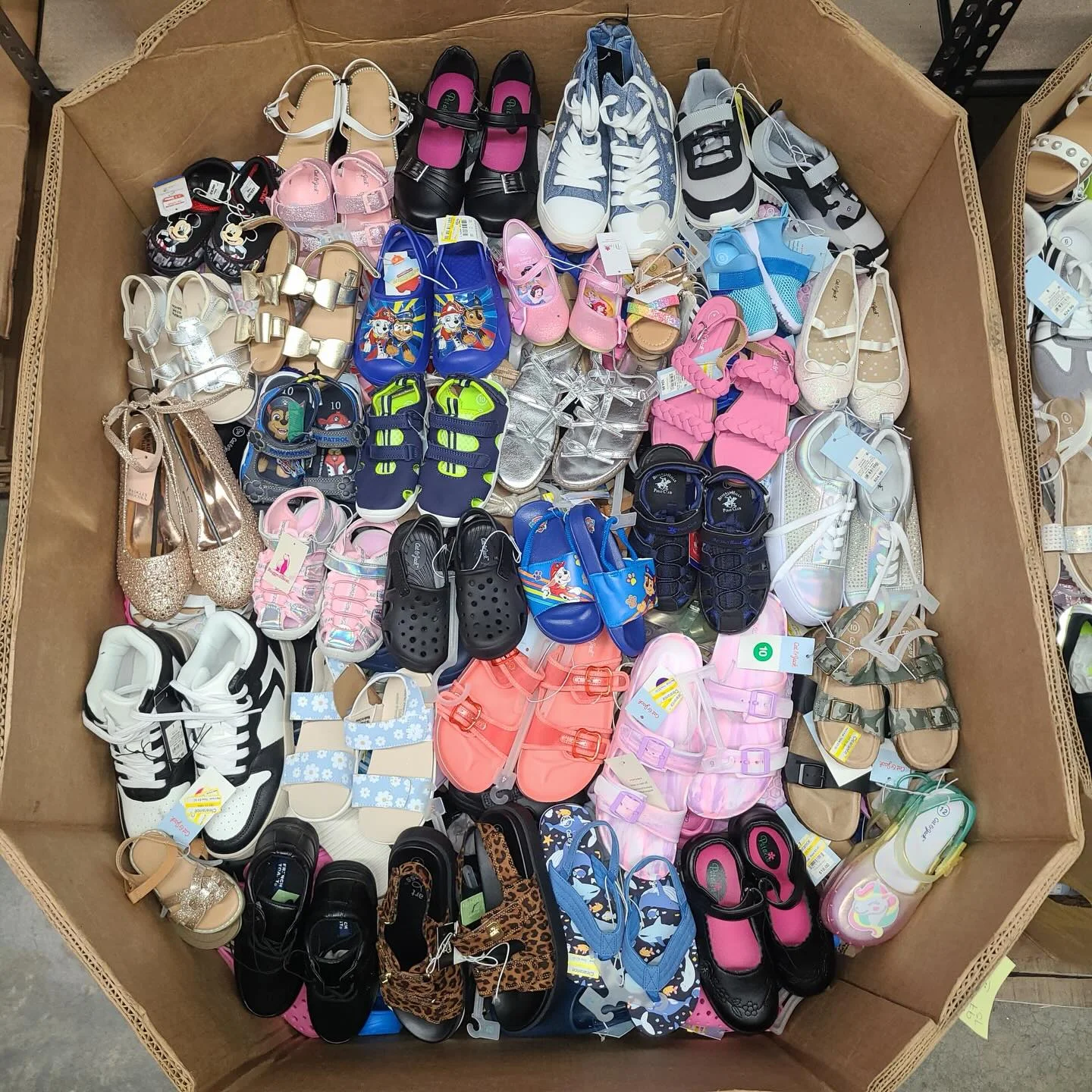
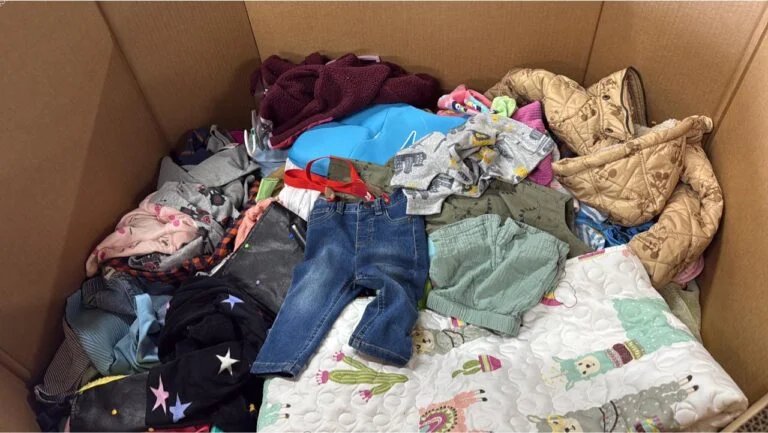
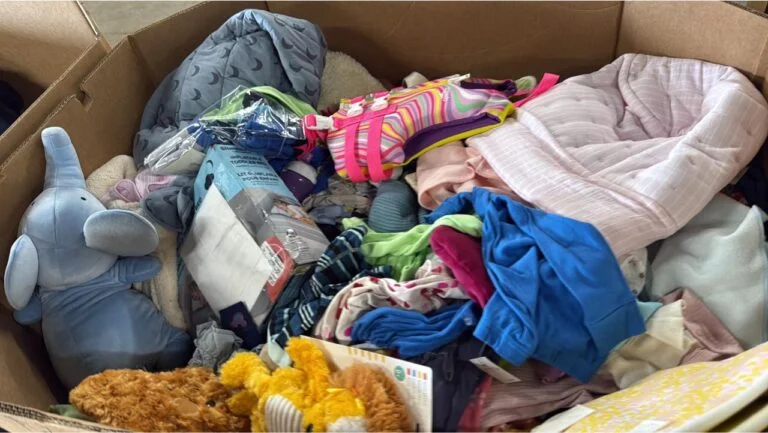
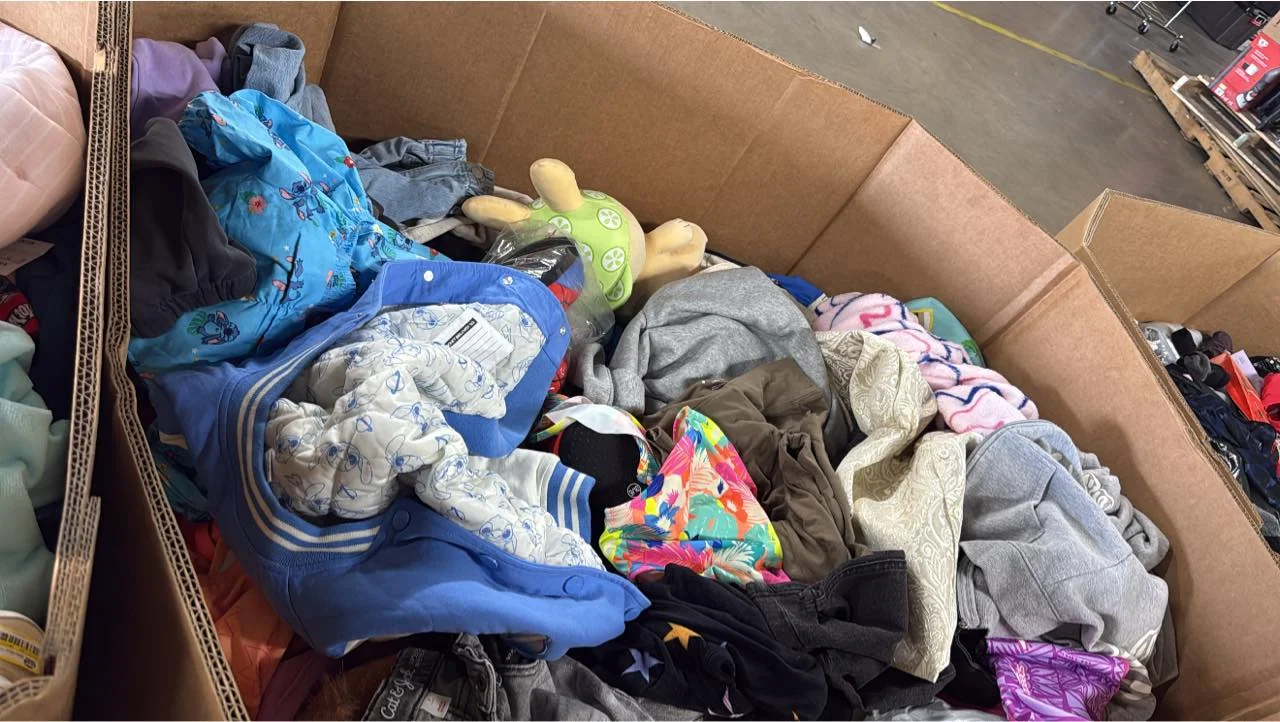
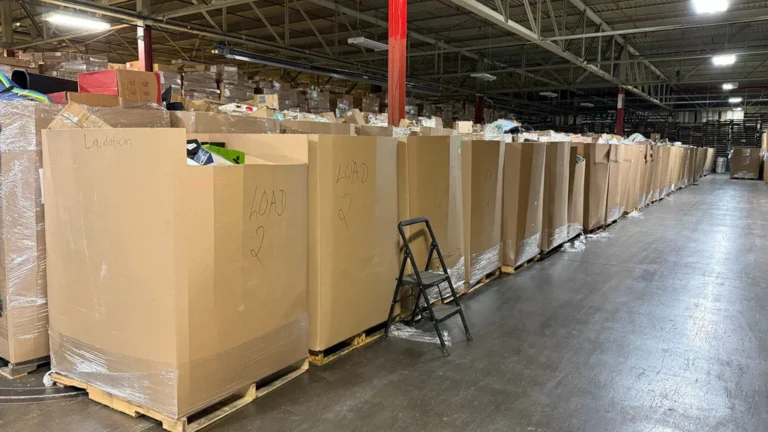
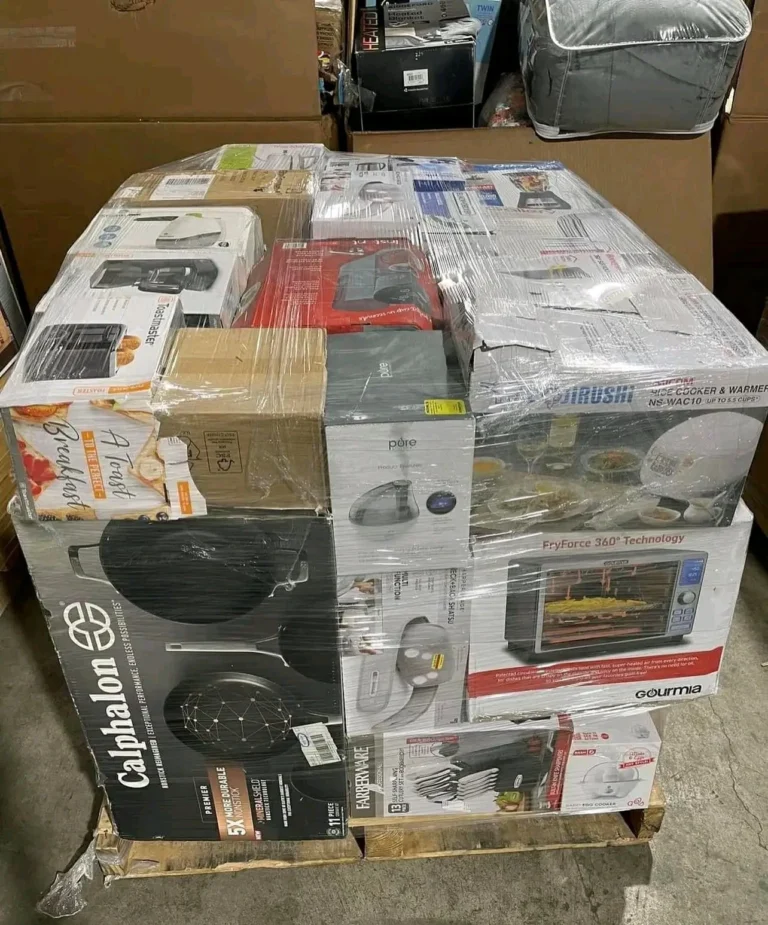
Products such as Amazon Return Pallets and an amazon returns pallet can contain clothing, baby products, household goods, toys, and other merchandise. However, liquidation inventory is fundamentally different from conventional wholesale inventory.
Traditional wholesale typically provides more predictable quantities, sizes, colors, and product conditions.
Liquidation inventory can offer potentially lower acquisition costs, but the merchandise may be overstock, shelf pulls, customer returns, or discontinued inventory. Product condition and assortment can vary.
For this reason, businesses should carefully inspect manifests and understand the condition of inventory before purchasing liquidation pallets.
Comparing Wholesale and Liquidation Sourcing
| Factor |
Traditional Wholesale |
Liquidation |
| Product consistency |
Usually higher |
Can vary |
| Size selection |
More predictable |
Often mixed |
| Condition |
Usually new |
May vary |
| Unit cost |
Competitive |
Potentially lower |
| Product selection |
Easier to plan |
Less predictable |
| Best for |
Established collections |
Resellers and opportunistic buying |
Neither approach is automatically better. The right choice depends on the retailer’s business model.
A boutique that needs ten identical dresses in multiple sizes may prefer conventional wholesale. A reseller who enjoys mixed inventory may find liquidation more attractive.
Building a Profitable Kidswear Wholesale Inventory
A successful kidswear wholesale business begins with understanding your customers.
Before placing a large order, determine which age groups you intend to serve. A newborn-focused boutique requires a very different inventory strategy from a store specializing in school-age children’s clothing.
Consider dividing your inventory into age ranges:
- Newborn
- 0–3 months
- 3–6 months
- 6–12 months
- 12–24 months
- 2T–4T
- 5–7 years
- 8–12 years
- Teen sizes
You can then identify which categories deserve the most inventory.
For example, a baby boutique may prioritize bodysuits, rompers, dresses, sleepwear, and accessories. A children’s fashion store might prioritize jeans, hoodies, dresses, shirts, jackets, and seasonal collections.
Choosing Between Wholesale Children’s Clothing and Branded Inventory
Some retailers prefer generic products because they offer flexibility and lower acquisition costs. Others want recognizable brands because customers may actively search for them.
Products such as Old Navy baby clothes and Gap infant dresses may attract shoppers familiar with those brands. However, retailers should always verify authenticity and purchasing rights when sourcing branded inventory.
The same principle applies to any recognizable children’s apparel brand.
If you’re purchasing liquidation merchandise, retain invoices and documentation where available and accurately describe products when listing them for resale.
Marketing Your Wholesale Kids Clothing Business
Having quality inventory is only one part of the business. Effective marketing helps customers discover your products.
An online store should use clear product titles, detailed descriptions, accurate measurements, high-quality photographs, and appropriate categories.
SEO can also help attract customers searching for specific products. Pages targeting terms such as wholesale kids clothing, wholesale children’s apparel, childrens clothing wholesale, and wholesale childrens clothing can attract business buyers who are actively researching suppliers.
For consumer-facing pages, more specific terms can be useful, such as “baby girl Christmas dress,” “newborn clothing,” or “toddler dresses.”
Social media can complement SEO. Children’s fashion is highly visual, making platforms such as Instagram, TikTok, Pinterest, and Facebook useful for displaying new arrivals and seasonal collections.
Short videos can demonstrate:
- New arrivals
- Outfit combinations
- Size comparisons
- Seasonal collections
- Bundle deals
- Behind-the-scenes inventory
- Customer favorites
Consistency is more important than posting occasionally.
Pricing Your Wholesale Kids Clothing
Pricing should account for the complete cost of acquiring and selling each item.
A simple pricing calculation is:
Wholesale cost + shipping + packaging + selling fees + desired profit = retail price
For example, if a children’s garment costs $6 wholesale and the additional costs total $3, the retailer’s effective cost is $9. Selling it for $10 leaves very little room for unexpected expenses.
Retailers should therefore calculate margins before purchasing inventory.
Promotional pricing can then be used strategically rather than permanently discounting products.
Final Thoughts
Wholesale kids clothing provides a strong sourcing opportunity for boutiques, online retailers, resellers, and entrepreneurs who understand their target customers and manage inventory carefully.
From wholesale baby clothes and wholesale children’s apparel to childrens wear wholesale, blank garments, seasonal dresses, and everyday essentials, the category offers enormous variety.
The most successful retailers focus on more than obtaining the lowest possible price. They evaluate product quality, sizing, supplier reliability, shipping costs, customer demand, and expected margins before placing large orders.
Businesses searching for where to find cheap baby items, baby supplies, or cheap baby stuff should focus on value and consistency rather than price alone. Meanwhile, retailers interested in wholesale childrens clothing, kidswear wholesale, and childrens clothing wholesale can build stronger businesses by creating balanced collections for different age groups and seasons.
Liquidation opportunities, including Amazon Return Pallets and an amazon returns pallet, can also complement traditional wholesale sourcing when the buyer understands the risks and carefully reviews product condition and manifests.
Whether you’re starting a small children’s boutique, expanding an established online store, or building a resale business, a carefully planned wholesale sourcing strategy can help you offer attractive products at competitive prices while protecting your profit margins. The key is simple: choose reliable suppliers, understand your customers, control your costs, and build an inventory that combines everyday demand with seasonal and specialty products.

Reviews
There are no reviews yet.