
Call or Text : +1 (440) 613-9487 Or Place your order directly on our website an agent will contact you immediately concerning your order. All bulk orders payment terms we accept bank wire transfer or bank deposite.
$500.00
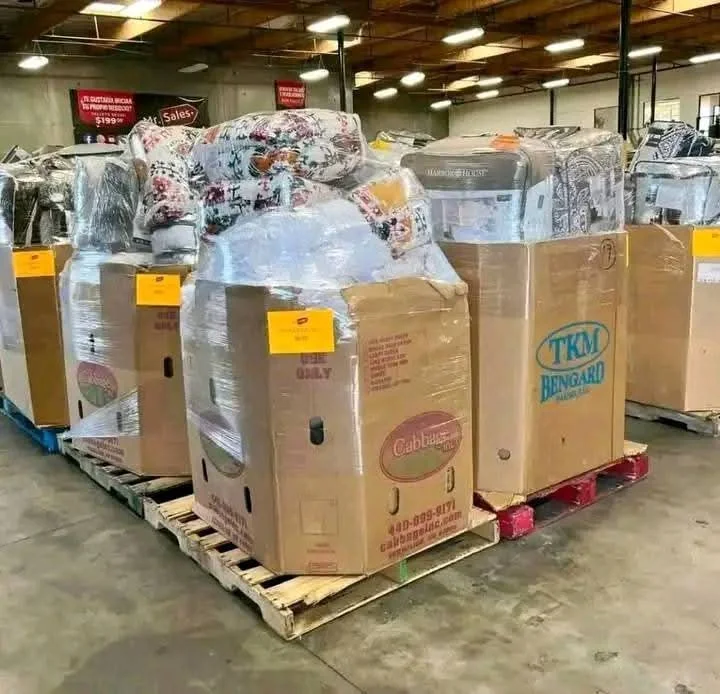
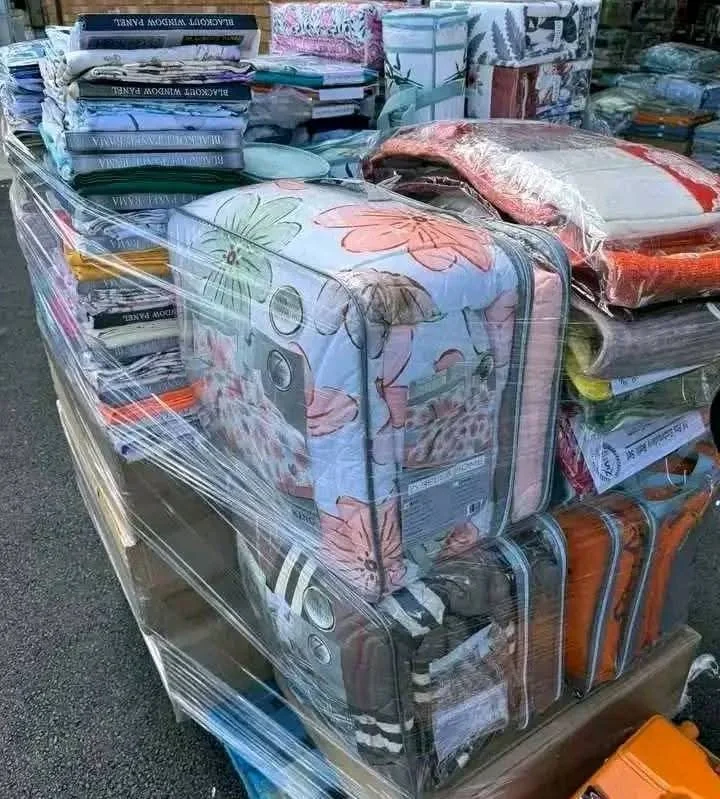
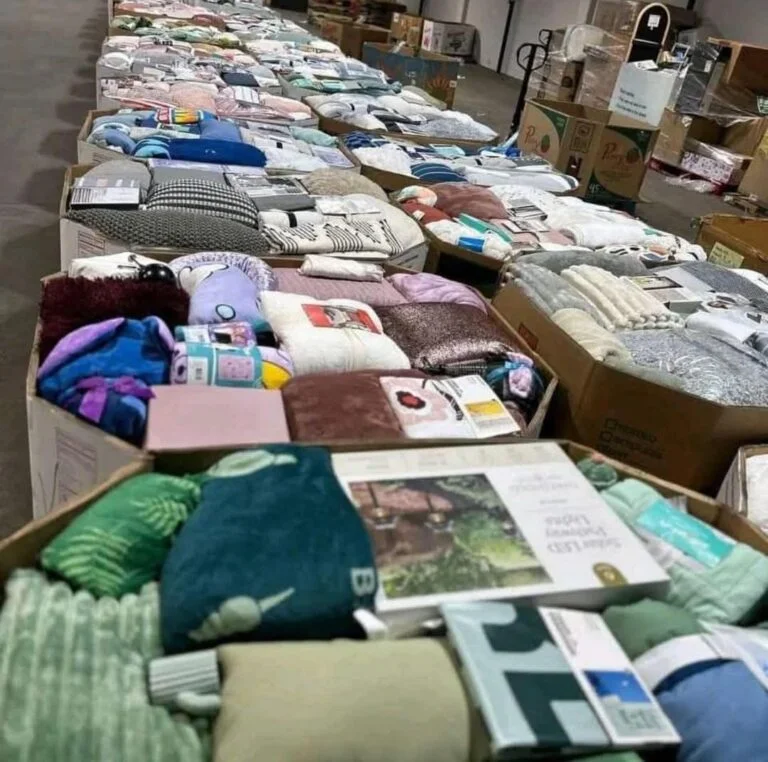
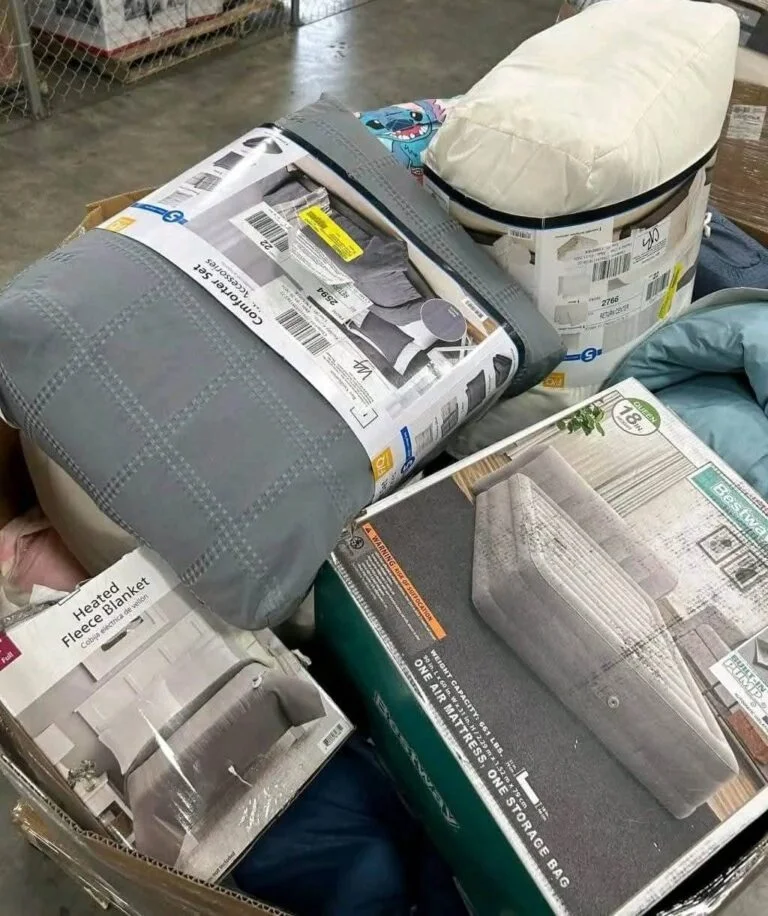
Shop bedding pallet wholesale at competitive prices. Explore bulk sheets, comforters, blankets, pillows, and bedding sets for retailers, resellers, and home goods businesses across the USA.
Each pallet contains a diverse range of high-demand bedding essentials, including:
 Comforter Sets – King, Queen, Full, and Twin Sizes (50 units)
Duvet Covers & Sets – Stylish and modern designs (40 units)
Bed Sheets & Pillowcases – Luxury cotton, microfiber, and bamboo (80 sets)
Mattress Protectors & Pads – Waterproof and hypoallergenic (40 units)
Weighted Blankets & Throws – Soft, plush, and therapeutic (25 units)
Pillow Sets – Standard, Memory Foam, Down Alternative (70 units)
Quilts & Coverlets – Elegant patterns and colors (30 units)
Electric Heated Blankets – Perfect for winter months (15 units)
Kids’ & Baby Bedding – Crib sets, swaddles, and toddler bedding (20 units)
Hotel-Grade Towels & Bathrobes – Premium quality (40 units)
Are you looking for bedding pallet wholesale opportunities to expand your retail inventory, launch an online store, or increase your wholesale resale business? Buying bedding in bulk allows retailers, discount stores, home goods businesses, and online resellers to source a variety of household textile products through a single wholesale purchase. From bed sheets and comforter sets to blankets, pillows, duvet covers, and mattress protectors, wholesale bedding inventory offers multiple product categories that appeal to customers throughout the year.
Bedding is an essential household product, making it a practical category for businesses that want to serve homeowners, renters, students, families, landlords, and hospitality customers. Purchasing wholesale bedding products can help businesses build a diverse inventory while reducing the time required to source individual items from different suppliers. Depending on the supplier, bedding pallets may contain new overstock, discontinued designs, excess retail inventory, customer returns, or assorted home textile products.
For resellers, the biggest opportunity lies in choosing merchandise that matches customer demand and provides a realistic path to profitability. A well-selected pallet can supply multiple listings for an ecommerce store or provide a range of products for a physical retail location. However, buyers should always verify the contents, condition, shipping expenses, and supplier policies before placing an order.
Whether you operate a discount store, sell household products online, or are building a new wholesale business, understanding how bedding liquidation works can help you make more informed purchasing decisions.
Bedding pallet wholesale refers to purchasing bedding products in large quantities, often packaged together on pallets for transportation and distribution. Rather than buying each item individually, a retailer can purchase a bulk shipment containing one product category or an assortment of household textiles.
Depending on the supplier, a pallet might contain bed sheets, comforter sets, blankets, pillows, pillowcases, duvet covers, mattress protectors, or other bedding accessories. Some shipments contain matching sets, while others include assorted sizes, colors, patterns, and brands. The exact contents depend on the inventory source and the terms of the sale.
Wholesale bedding pallets can come from several sources, including surplus distributor inventory, retail overstock, discontinued collections, warehouse clearance, and liquidation sales. Each source has different considerations. New overstock may contain unused products in original packaging, while customer-return pallets may include items with damaged packaging, missing components, or other condition issues.
Before buying, request a detailed inventory manifest when available. Review the number of pieces, product types, sizes, materials, condition categories, and any relevant brand information. If a manifest is unavailable, ask for clear photographs and a written description of the expected inventory. This information helps you determine whether the shipment suits your business and whether the total cost makes commercial sense.
Buying wholesale bedding products can help retailers simplify purchasing and expand their merchandise selection. A bulk order may provide multiple product categories in one shipment, allowing a store to offer bedding solutions for different customer preferences and budgets.
One advantage is product variety. Some customers prefer simple sheets and pillowcases, while others look for decorative comforter sets, warm blankets, or coordinated bedroom collections. A supplier offering assorted bedding pallets may help retailers test several categories without sourcing every item separately.
Another benefit is the opportunity to develop multiple sales channels. Physical stores can display bedding products directly to customers, while online sellers can list individual items or matching sets through ecommerce websites and marketplaces. Businesses serving landlords, property managers, guesthouses, or other commercial buyers may also explore bulk linen orders when the products meet their required specifications.
However, wholesale purchasing does not automatically guarantee savings or profit. Buyers must consider the purchase price, freight, storage, packaging, marketplace fees, and the percentage of inventory that is actually suitable for resale. The best wholesale purchase is one that combines appropriate product quality, reliable supply, and realistic customer demand.
Bedding pallets can contain a wide selection of home textiles, making it important to understand what each product category offers. Selecting suitable products helps businesses build an inventory that matches their target market.
Bulk bed sheets are a common choice for retailers because customers regularly purchase sheets for new homes, replacement bedding, guest rooms, and seasonal refreshes. Depending on the supplier, wholesale inventory may include fitted sheets, flat sheets, sheet sets, and pillowcases in different sizes and materials.
When purchasing sheets, check the size distribution, fabric composition, packaging condition, and whether sets include all advertised components. Products designed for twin, full, queen, and king beds serve different customers, so an assortment should reflect the needs of your market.
Retailers can also compare cotton, microfiber, and other fabric options, provided the supplier accurately identifies the materials. Clear product descriptions help customers choose bedding that meets their comfort preferences and budget.
Wholesale comforter sets may include comforters, matching pillow shams, and coordinating accessories, depending on the manufacturer and product configuration. These sets appeal to customers who want to update the appearance of a bedroom without purchasing every component separately.
When sourcing comforter sets, confirm the size, filling material, included pieces, washing instructions, and packaging condition. A listing should not imply that sheets or decorative pillows are included unless they are part of the actual set.
Bulk blankets for retailers can provide options for customers shopping for everyday household comfort, seasonal warmth, guest rooms, or affordable gifts. Available styles may include fleece blankets, lightweight throws, comfort blankets, and heavier bedding options.
Consider seasonality when selecting blanket inventory. Demand for heavier products may increase during colder periods, while lightweight blankets and decorative throws can appeal to customers throughout the year.
Wholesale pillows and pillowcases allow businesses to expand their bedroom textile selection with products that customers may purchase separately or alongside sheets and comforters. Inventory may include sleeping pillows, decorative pillow covers, standard pillowcases, and other related accessories.
Check the filling, dimensions, fabric, care instructions, and packaging. Pillow products may also have specific hygiene, labeling, and return considerations, so retailers should understand the supplier’s product specifications and applicable local requirements.
Wholesale duvet covers provide customers with a way to change the look of their bedding without replacing an entire comforter or duvet insert. Wholesale assortments may include different colors, patterns, sizes, and closure styles.
Before purchasing, verify the dimensions and whether the advertised product includes a duvet insert or only the cover. Accurate descriptions reduce customer confusion and unnecessary returns.
Wholesale mattress protectors can complement sheet sets and other bedding products. Depending on the inventory, options may include fitted protectors, waterproof styles, quilted covers, and products designed for different mattress depths.
Retailers should verify material details, dimensions, care instructions, and product claims. If a protector is described as waterproof, hypoallergenic, or offering another specialized benefit, confirm that the claim is supported by the manufacturer’s documentation.
Bedding liquidation stock generally refers to surplus or excess bedding merchandise sold through inventory-clearance channels. These products may originate from retailers, distributors, warehouses, or businesses clearing discontinued and slow-moving stock.
Liquidation inventory can offer attractive purchasing opportunities, but the condition and composition of each shipment can vary significantly. A pallet might contain unused products in their original packaging, shelf pulls, returned items, or a mixture of different conditions.
| Inventory type | Typical characteristics | What to verify |
|---|---|---|
| New overstock | Excess unused inventory | Packaging, sizes, quantities, and product specifications |
| Shelf pulls | Items removed from retail shelves | Cosmetic condition and completeness |
| Customer returns | Previously purchased or returned merchandise | Cleanliness, damage, and resale suitability |
| Discontinued products | Older or end-of-line designs | Market demand and future replenishment |
| Mixed liquidation stock | Assorted products and conditions | Manifest accuracy and sellable quantities |
These descriptions are general categories, not guarantees about a particular shipment. Always confirm the actual condition standards and return policy with the supplier.
Bedding requires particular attention to cleanliness and packaging integrity. Products with compromised protective packaging may not be appropriate for resale as new, especially when the merchandise comes into direct contact with customers’ skin. Establish a clear inspection process before placing items into sellable inventory.
Home textile liquidation pallets can include bedding alongside other household fabric products, depending on the supplier. Some assortments may contain curtains, towels, cushion covers, throws, table linens, or other household textiles.
These mixed shipments may suit general merchandise retailers and home goods stores that want to expand beyond bedding alone. However, a business specializing in bed linens should confirm the proportion of bedding in the pallet before purchasing. A shipment advertised as home textiles might contain only a limited number of sheets or comforter sets.
Consider whether you have the space and sales channels needed to handle a broad assortment. Diversified inventory can create additional sales opportunities, but it also increases the number of product descriptions, storage categories, and pricing decisions required.
A manifest, when available, makes it easier to evaluate the product mix and estimate the potential resale value. If the supplier cannot provide a full manifest, request enough information to understand the likely assortment and any significant limitations.
Bedding pallets for discount stores can help retailers develop affordable household product sections with a range of essential textiles. Customers shopping at discount stores may compare prices closely, so competitive sourcing and clear product information are important.
A retailer might prioritize practical sheet sets, blankets, pillowcases, and basic comforter sets. Another store may focus on decorative bedding, seasonal designs, or recognizable brands, depending on customer demand and local competition.
The right product mix should reflect the store’s customer base. Before buying a large pallet, review your previous sales, customer inquiries, and the price points that perform best. If you are opening a new store without historical data, start with a manageable assortment and track which products attract the most interest.
It is also important to distinguish discounted merchandise from defective inventory. Customers should receive accurate descriptions of product condition, and any defects or missing components should be disclosed clearly.
Bulk linens wholesale can support businesses that need larger quantities of bedding and related textile products. In addition to retail stores and online resellers, potential customers may include landlords, furnished rental operators, guesthouses, hostels, and other accommodation businesses.
These buyers often have specific requirements regarding sizes, fabric durability, washing instructions, and consistency between units. A mixed liquidation pallet may offer lower initial costs but might not provide the uniformity needed for commercial use.
For example, a property manager furnishing several identical bedrooms may need matching sheet sizes and coordinated sets. A discount retailer, on the other hand, may be comfortable selling an assortment of different colors and designs.
Before purchasing bulk linens, determine whether the shipment’s contents match the intended use. Ask about repeat availability if your business needs the same products regularly, and check the supplier’s specifications rather than relying on general category descriptions.
Bedding inventory for online resellers can support ecommerce businesses that sell household products through their own websites or third-party marketplaces. Buying in bulk may provide enough merchandise to develop several listings and test different bedding categories.
Successful online selling depends on clear product information. Include accurate dimensions, fabric composition, included components, washing instructions, and condition details in each listing. Photographs should represent the actual products as closely as possible, especially when the inventory contains assorted colors or patterns.
Shipping also deserves careful planning. Comforter sets, blankets, and pillows can occupy considerable space, and the packaging dimensions may affect carrier charges. Calculate the shipping cost before deciding on a retail price or promising free delivery.
Online sellers should track inventory by product type, size, and condition. This makes it easier to avoid selling unavailable items, identify popular products, and plan future wholesale purchases based on actual sales performance.
Assorted bedding pallets contain different bedding products rather than one uniform item. Depending on the supplier, an assortment might include sheets, blankets, comforters, duvet covers, pillows, and mattress protectors.
This format can be useful for retailers who want a varied selection or online sellers who plan to create multiple listings. However, assortments can also contain uneven quantities, unusual sizes, or styles that appeal to a narrower group of customers.
Discount bedding pallets may be offered at reduced prices because the merchandise is excess stock, discontinued inventory, customer returns, or products being cleared from a warehouse. A discount should always be evaluated alongside the condition and expected resale value.
Before purchasing assorted inventory, ask the supplier to identify the main product categories and estimated quantities. Confirm whether the products are new or mixed-condition and whether the photographs show the actual shipment. These checks help reduce the risk of buying inventory that does not match your business model.
If you are researching where to buy bedding pallets wholesale, begin with established bedding distributors, home textile wholesalers, liquidation companies, and wholesale marketplaces. Compare suppliers based on their inventory transparency, business reputation, shipping terms, and product condition policies.
A reliable supplier should provide clear contact information, written quotations, payment instructions, and an understandable process for handling shortages or damaged deliveries. Depending on the shipment, you may also want a detailed manifest, photographs, product labels, or documentation confirming the origin and condition of the merchandise.
Before placing an order, ask the following questions:
What bedding products and quantities are included?
Are the products new, overstock, shelf pulls, customer returns, or mixed-condition?
Are the advertised photographs of the actual inventory?
What sizes, materials, and brands are represented?
Does the price include shipping, or will freight be charged separately?
What is the procedure for reporting shortages or damaged items?
Can the supplier provide an invoice and written order confirmation?
Check independent reviews where available and verify the business before making a large payment. Be cautious when sellers refuse to disclose basic inventory information, pressure you to pay immediately, or offer prices that appear implausibly low.
If possible, begin with a smaller order to assess the supplier’s reliability and the quality of the merchandise. This can help you build a relationship with a dependable source before committing more capital.
Bedding pallets for sale to retailers and resellers can provide inventory for independent shops, discount stores, online businesses, and home goods retailers. The ideal pallet depends on the type of products you sell, your customers’ preferences, and your available budget.
Retailers who want a consistent product range may prefer pallets containing matching sheet sets or comforter sets. Resellers who prioritize variety may choose assorted bedding pallets for online sellers, provided the assortment includes enough suitable products to justify the cost.
The purchase process should start with a clear inventory requirement. Determine whether you need new merchandise, assorted designs, specific sizes, or particular product categories. Then compare suppliers using total landed cost rather than the advertised purchase price alone.
A business should also plan how the shipment will be received, inspected, stored, and listed for sale. Bedding products can take up substantial warehouse space, particularly when packaging is bulky. Proper inventory planning reduces handling problems and helps prevent storage costs from eating into potential margins.
Wholesale bedding pallets for discount stores can help retailers offer household essentials at competitive prices. The most appropriate inventory may include everyday sheet sets, blankets, pillowcases, and selected comforter sets that appeal to price-conscious shoppers.
For businesses specializing in home décor, bedding pallets for home goods stores may provide a broader range of colors, textures, patterns, and coordinated bedroom products. These stores may benefit from offering complementary items that help customers create a complete bedroom look.
The key is to choose inventory that suits your positioning. A store competing primarily on price may prioritize basic, affordable products, while a home goods retailer may place greater emphasis on presentation and design variety.
Wholesale comforter and bedding sets for retailers can be especially useful when the products have clearly defined sizes and included components. Make sure that product listings and shelf labels accurately reflect the contents so customers know exactly what they are buying.
Finding an affordable bedding wholesale supplier for small businesses requires balancing price, quality, minimum order quantities, and reliability. A low-cost supplier may not be the best choice if the products arrive damaged, the shipment differs from its description, or delivery costs are unexpectedly high.
Start by defining your purchasing budget and the amount of inventory you can realistically sell. Include the wholesale price, freight, packaging, storage, advertising, and marketplace fees in your calculations. If the supplier requires a large minimum order, determine whether the expected sales justify the commitment.
Small businesses can benefit from testing several bedding categories in modest quantities before concentrating on one product type. This helps you learn which sizes, materials, and styles customers prefer without tying up too much working capital.
You should also assess whether the supplier can support repeat orders. Consistent product availability may be important when customers return to purchase additional sets or when your business begins to establish regular sales patterns.
Evaluating bedding pallet wholesale opportunities requires a realistic estimate of total costs and potential sales revenue. The wholesale price is only one part of the calculation; freight, storage, marketplace fees, packaging, damaged items, and other operating expenses also affect profitability.
Consider this hypothetical example:
| Cost factor | Example amount |
|---|---|
| Pallet purchase price | $600 |
| Freight and delivery | $180 |
| Total initial cost | $780 |
| Sellable bedding sets after inspection | 30 |
| Initial cost per sellable set | $26 |
In this example, the initial cost per sellable set is $26 before additional selling expenses. If you sell a set for $40, the $14 difference is not necessarily your final profit because payment fees, shipping to the customer, advertising, and other costs may still apply.
A practical evaluation should consider realistic selling prices rather than assuming every product will sell at the highest listed price. It should also account for slow-moving products and items that cannot be sold in their received condition.
Compare different pallets using the same method. A more expensive pallet with a larger proportion of sellable products may provide better value than a cheaper shipment containing many unsuitable items.
One common mistake is purchasing a pallet without confirming the inventory mix. A listing might feature attractive comforter sets even though the actual shipment contains mostly pillowcases or other lower-value items. Ask for a manifest or detailed description before committing.
Another mistake is overlooking cleanliness and packaging. Bedding products should be inspected carefully, particularly if they are customer returns or have damaged protective packaging. Products should never be marketed as new when their condition does not support that description.
Buyers can also underestimate shipping costs and storage requirements. Bedding may be lightweight relative to some products, but bulky packaging can increase transportation and warehouse expenses. Obtain a freight quotation and plan your storage space before ordering.
Finally, avoid relying on unrealistic profit claims. Wholesale merchandise does not sell itself, and demand varies by product type, quality, price, and location. Research your market, calculate the full cost, and maintain accurate records so future purchasing decisions are based on real results.
Bedding pallet wholesale offers retailers, discount stores, home goods businesses, and online resellers an opportunity to source a broad range of household textile products in bulk. From bulk bed sheets and wholesale comforter sets to blankets, pillows, duvet covers, and mattress protectors, the right inventory can help businesses expand their selection and serve different customer needs.
The best results come from choosing products carefully, verifying suppliers, understanding inventory conditions, and calculating the complete cost of each purchase. Assorted bedding pallets may provide variety, while dedicated product pallets can help businesses maintain a more consistent selection. Your choice should reflect your customers, available storage, budget, and sales channels.
Before placing an order, compare several suppliers, review the inventory description, confirm shipping terms, and establish a clear inspection process. With a disciplined purchasing strategy and accurate product listings, bedding liquidation inventory can become a useful part of a well-managed wholesale or resale business.
A bedding pallet may contain bed sheets, comforter sets, blankets, pillows, pillowcases, duvet covers, mattress protectors, or assorted home textiles. Exact contents depend on the supplier, so review the manifest or product description before ordering.
You can explore bedding distributors, wholesale home textile suppliers, liquidation companies, and wholesale marketplaces. Verify supplier information, compare total costs, and confirm merchandise condition before making a purchase.
Yes. They may suit small retailers and online resellers when the order size, product assortment, and total cost fit the business budget. Start with manageable quantities and track which products sell best.
Add the purchase price, freight, handling, and other acquisition expenses, then divide the total by the number of sellable units. Include packaging, selling fees, customer delivery, and other operating expenses when estimating profit.
Confirm product quantities, sizes, materials, condition, packaging, shipping charges, supplier reputation, and return policies. Request a manifest when available and verify that the products meet the labeling and safety requirements applicable to your market.
WhatsApp us
Get 10% off orders of $200 or more when you choose Zelle, Cash App, or Chime during checkout.
How it works: Your discount is automatically applied after you choose an eligible payment method at checkout.
Minimum product subtotal: $200. Credit-card orders remain at standard listed price. One promotion per order.


Reviews
There are no reviews yet.